Prototypes (or Something Like That)

Over the summer I applied and was accepted as a member of the Potters Guild, the ceramics studio I've been taking classes at for the past few years. Their winter market is in a few weeks and as a member, I get to join in, so I'll be selling my pottery for the first time. I’ve been decorating pieces for it—last weekend I sat down with no plan for a bowl and left with a goose wearing wellies. Maybe six hours work from wheel to final glaze.
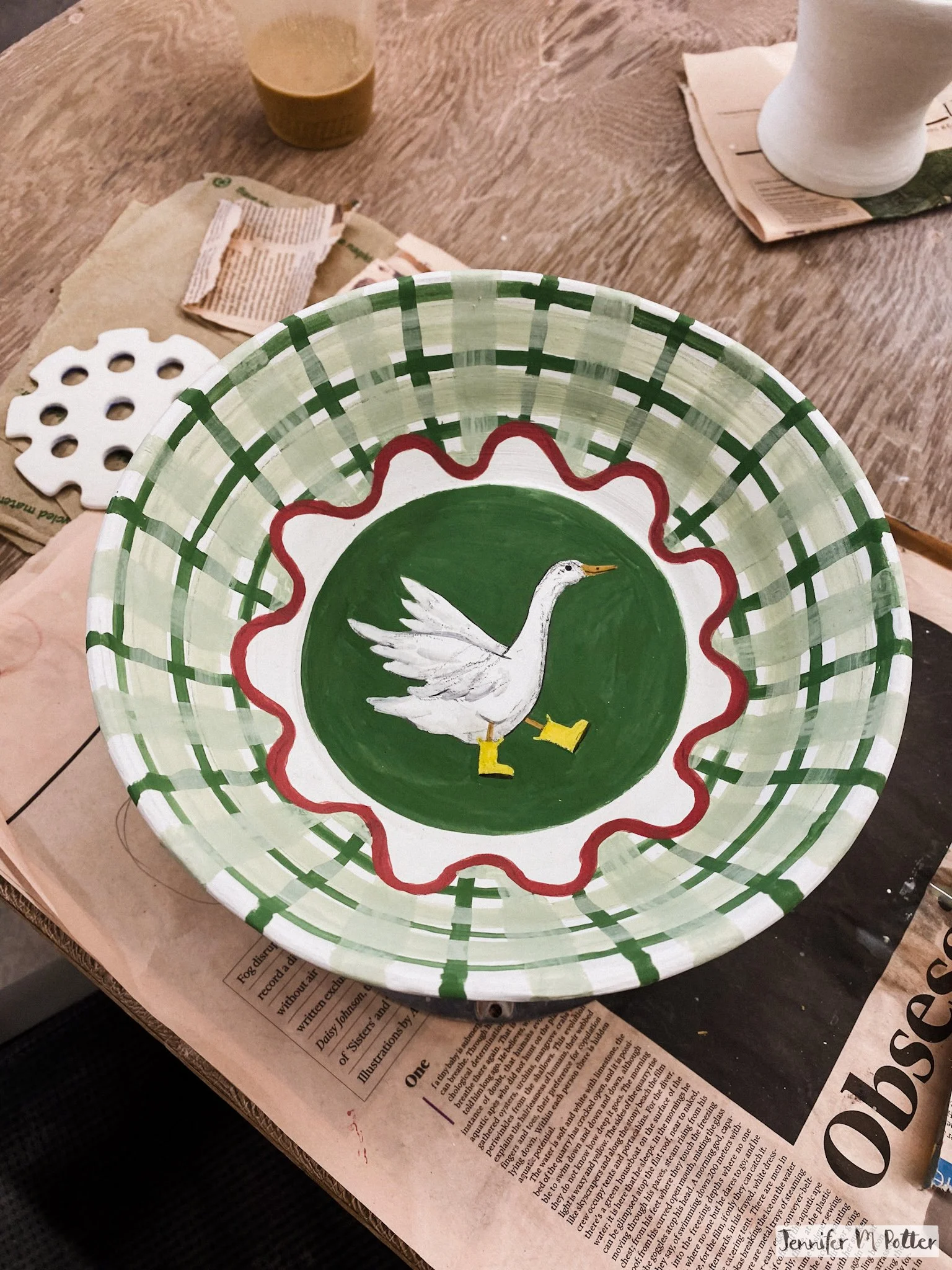
Work in progress of a goose painted on a ceramic bowl in underglaze

Before that I made a vase that took at least sixteen hours. As an illustrator I'm used to spending hours on a piece, so that doesn't sound like so much. But just to make minimum wage I'd have to price the vase at $240 and that doesn't even cover supplies and studio fees.
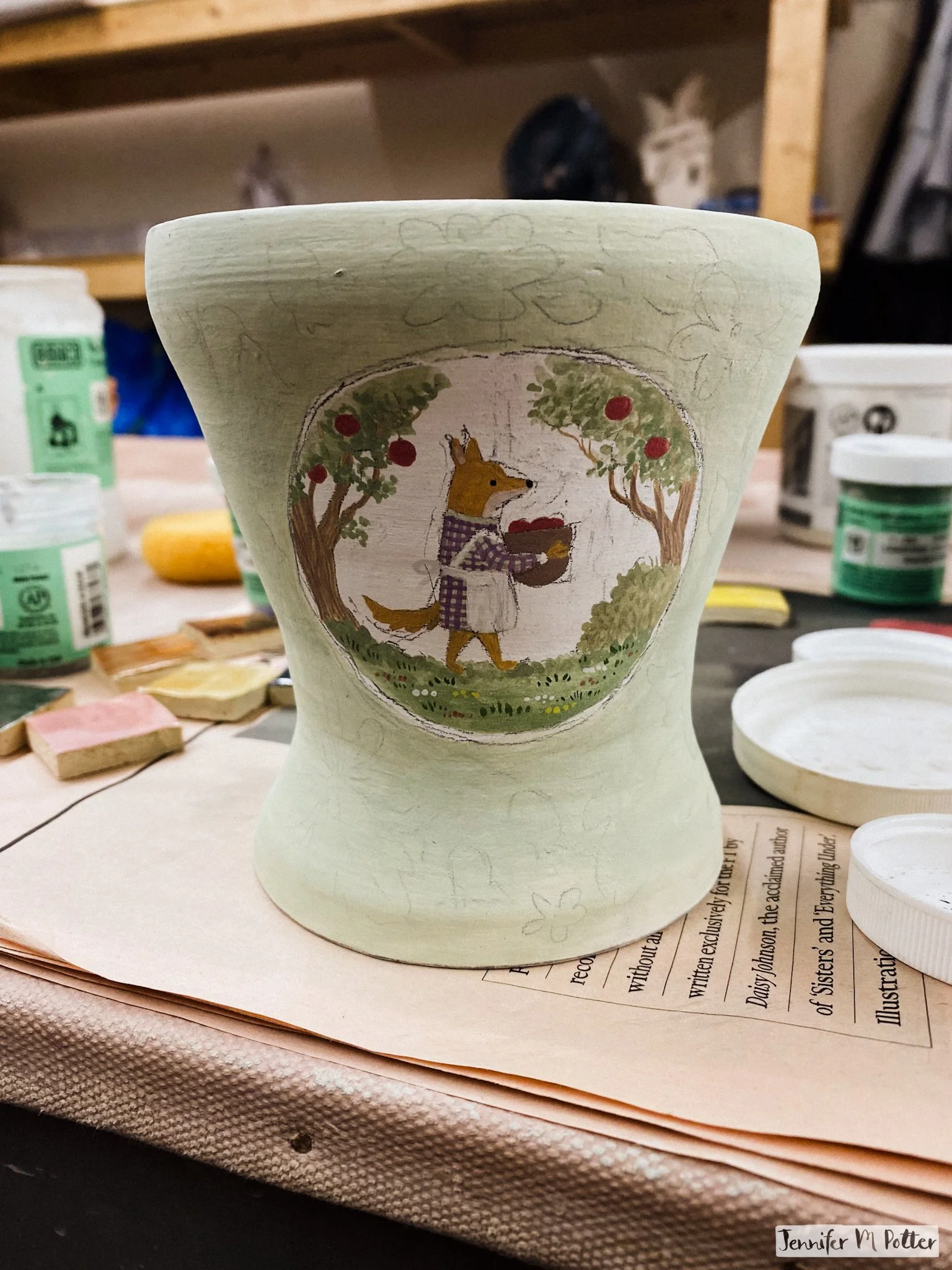
work in progress of a scene with a fox carrying a basket of apples in underglaze on a vase

I’m trying to see these time-intensive pieces as prototypes. Hand painting everything in three solid layers of underglaze is neither efficient nor cost effective. But I follow the inspiration and pay attention to what is and isn't worth the time. Some things can be streamlined with faster techniques, but some things will just need to be hand painted with all three layers to get the effect I'm after. It’s R&D.

Both the goose bowl and the fox vase are heading into the glaze kiln soon. I probably should have bisqued them again, just to set the underglaze before applying the clear gaze, but I didn’t. I was trying to save energy—but now I’m second-guessing it. Hopefully they won't bleed.

I’ve been going through my early pieces to add more things to sell. A lot of them are wonky—slightly warped, not as smooth as I’d make them now, a little too heavy. But they’re decorated with care, and that means something. Most of them are blue illustrations on white, little scenes and motifs I painted with the same attention I give my illustration work. I worry that they're not perfect, but my teacher said if you want perfect, go to Pottery Barn and that stuck with me.
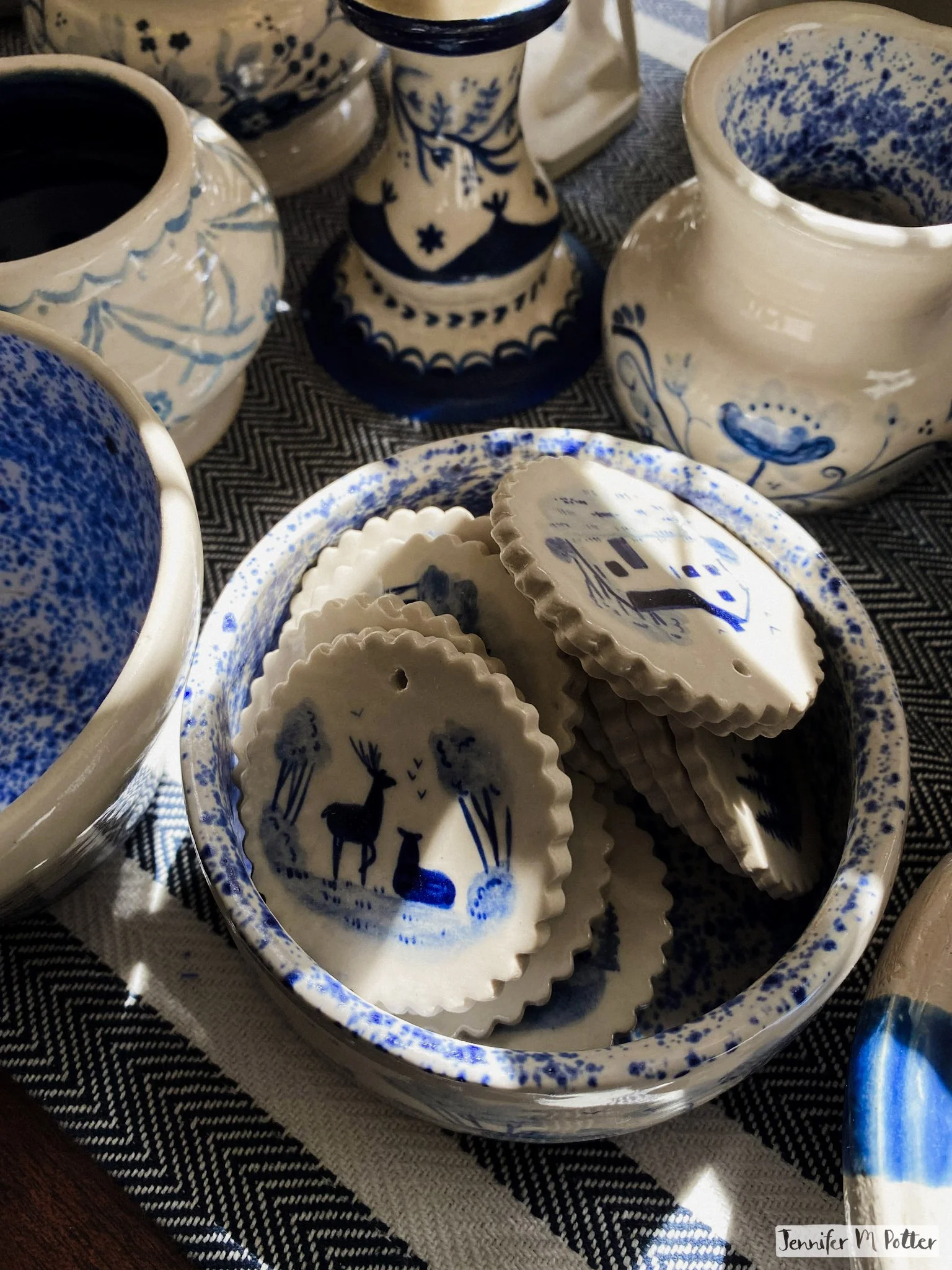
Collection of blue and white ceramics by Jennifer M Potter

All of these pieces will have to be priced. I want something that values my time but stays within reach. At the same time, I'm not confident I can price these at what they’re worth. But I’ll learn to work faster, and that will bring the prices down. Or not.

I went to the Potters Guild winter market years ago, back when I first moved to Baltimore. During the pandemic, before I was even taking classes. Outdoors, very cold, but joyful anyway. It's hard to believe I'll be participating from the other side this year. I'm nervous, but excited. I’ll be sharing a table with my friend Van. And I’ll know the other vendors, so it's sure to be a good time, and I'll probably learn a lot.

I'll probably make a lot of mistakes, too. My prices will either be too high or too low. I don't have any signage or fancy displays so it might just be dishes on a table. But that's okay. It’s just a beginning—I’ll get better.

I guess I’m treating the market as a prototype too.
Jennifer M PotterComment
A Mushroom Cap and a Jackal Mask
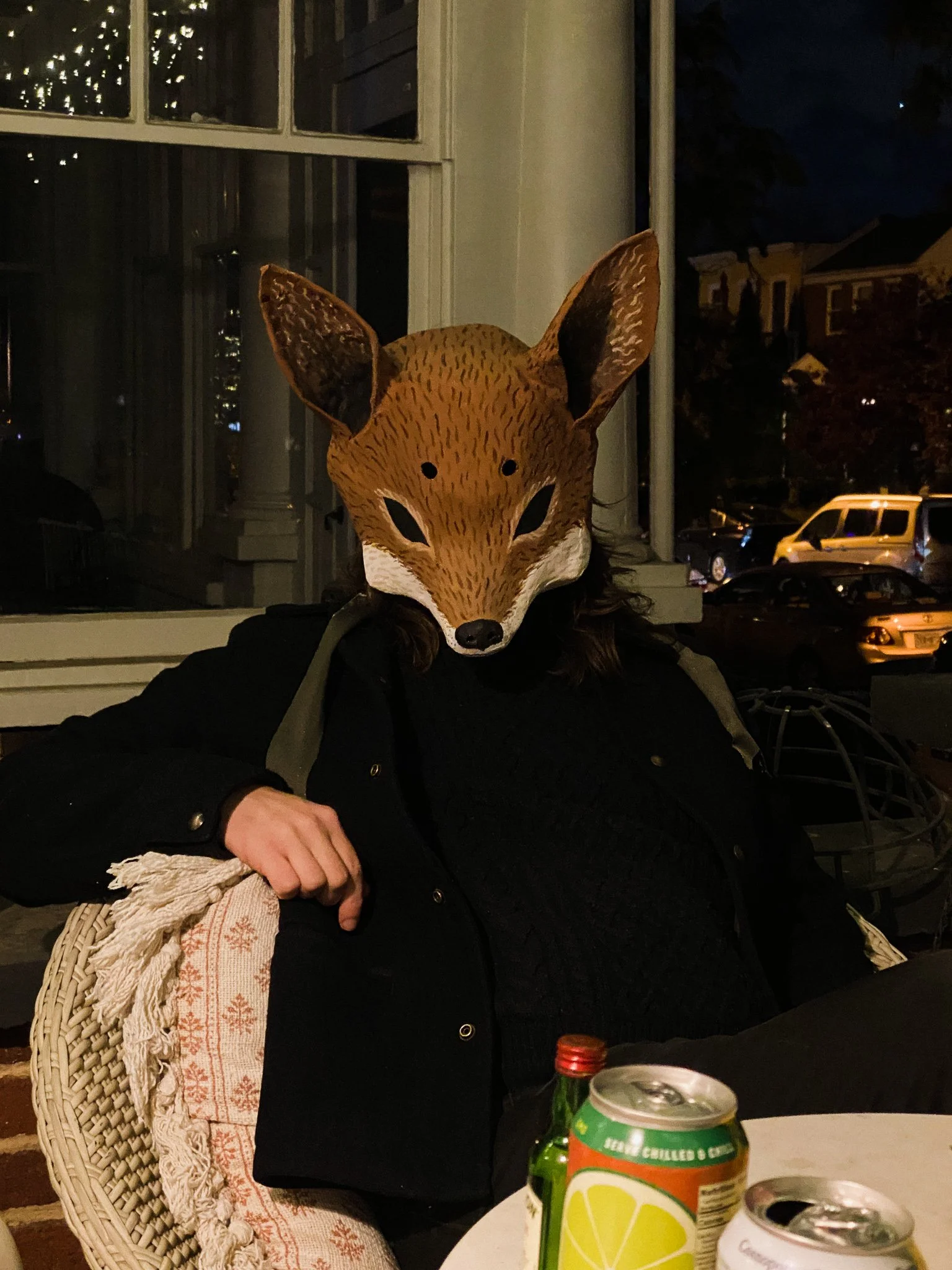
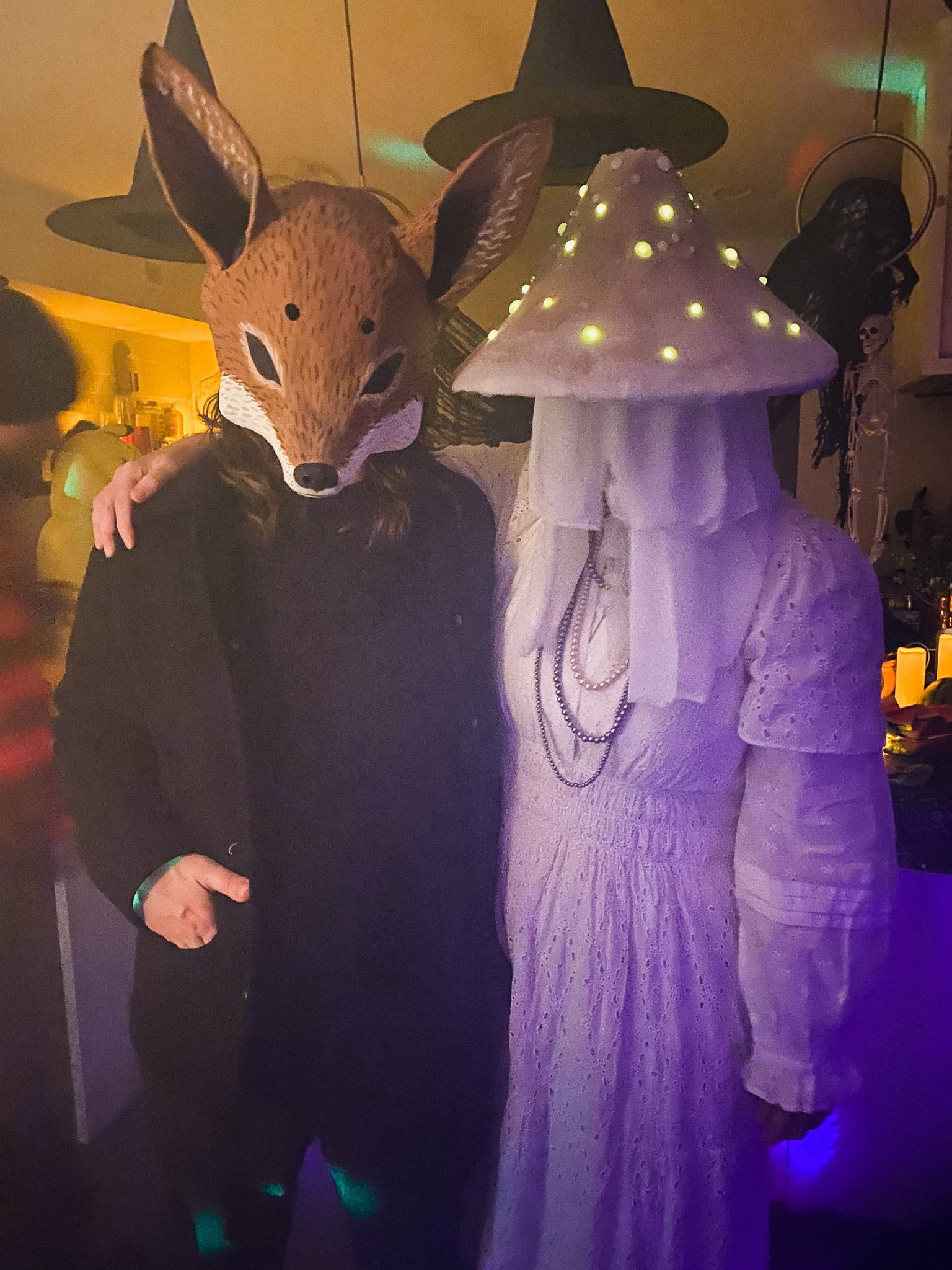
Me and Paul in our paper mache costumes

The idea was to keep it simple. Paul’s never been big on dressing up, but we had a Halloween party to go to, so I figured fancy masks with regular clothes would be a good compromise. A paper mache jackal mask for him, and a mushroom hat for me. Why a mushroom hat? Because I wanted to play with LEDs and I wasn’t sure how to work them into a rabbit mask.

I went to the art store weeks before Halloween because I really couldn't put it off any longer. Bought supplies, but didn’t actually start anything on account of being knocked out with flu and covid vaccines.

When I finally did start, I got to work with sculptural mesh for the first time. It’s like fine chicken wire you can shape and fold.

shaping sculptural mesh

And like chicken wire, the edges are really sharp. It wasn’t long before I put on my gardening gloves. I probably should’ve watched tutorials, but I dove right in, making little origami folds to create the jackal's snout. I shaped the rest of the head and then affixed mesh ears with aluminum wire.

The mesh frame for the jackal mask

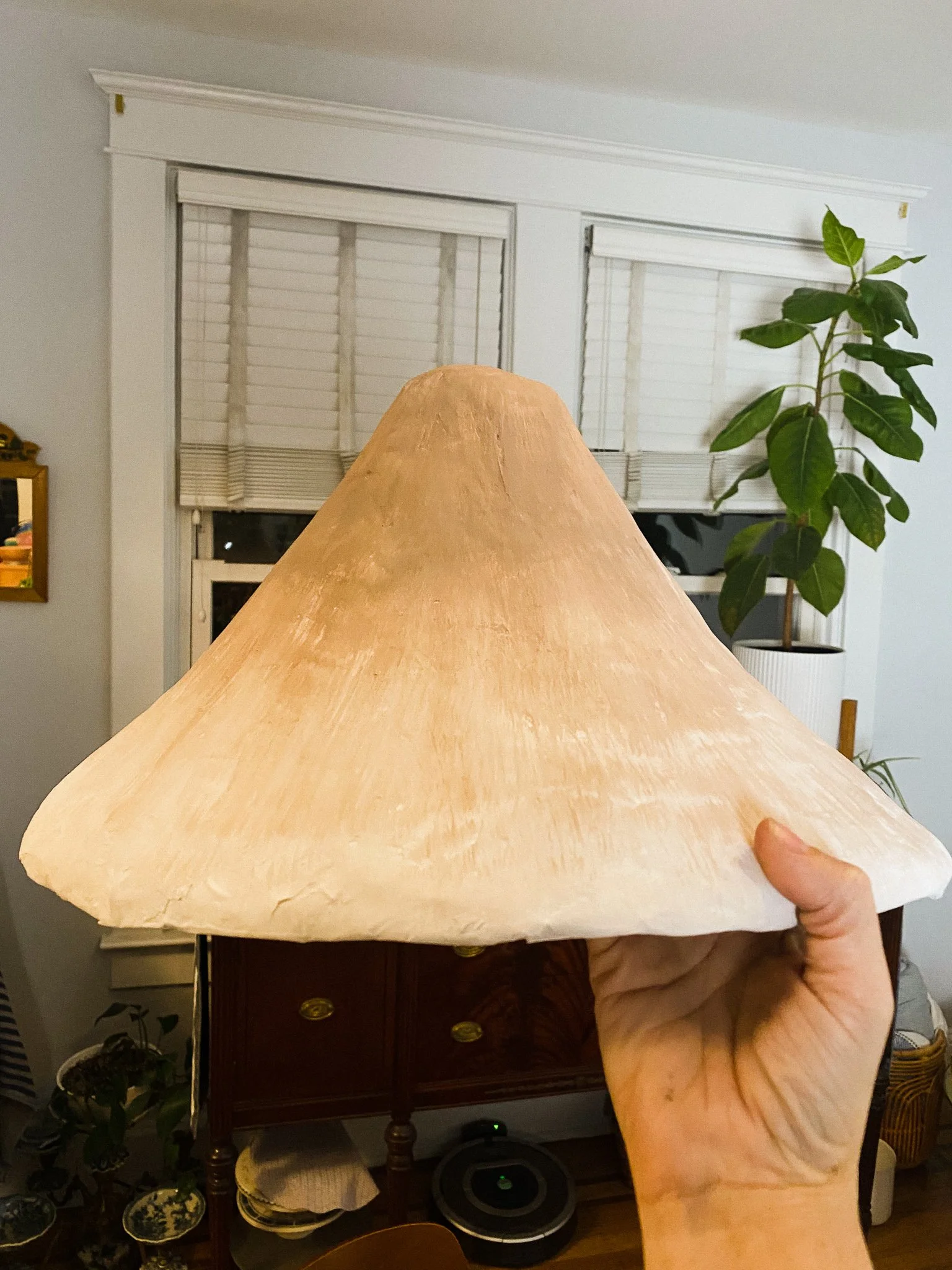
Then I made the mushroom cap using bowls to give it shape. I went on intuition, using the part of my brain that's good at form and mechanics. I got the hang of it quickly.

shaping the mushroom mesh

The paper mache came next. I cooked up some paste with flour and water, then used it to adhere torn newspaper strips to the mesh. Very elementary school. The mushroom cap was a breeze.

paste newspaper strips onto the mushroom frame

The jackal was a little tricky around the ears, but I quickly found smaller strips made for smoother corners.

the jackal frame covered in newspaper

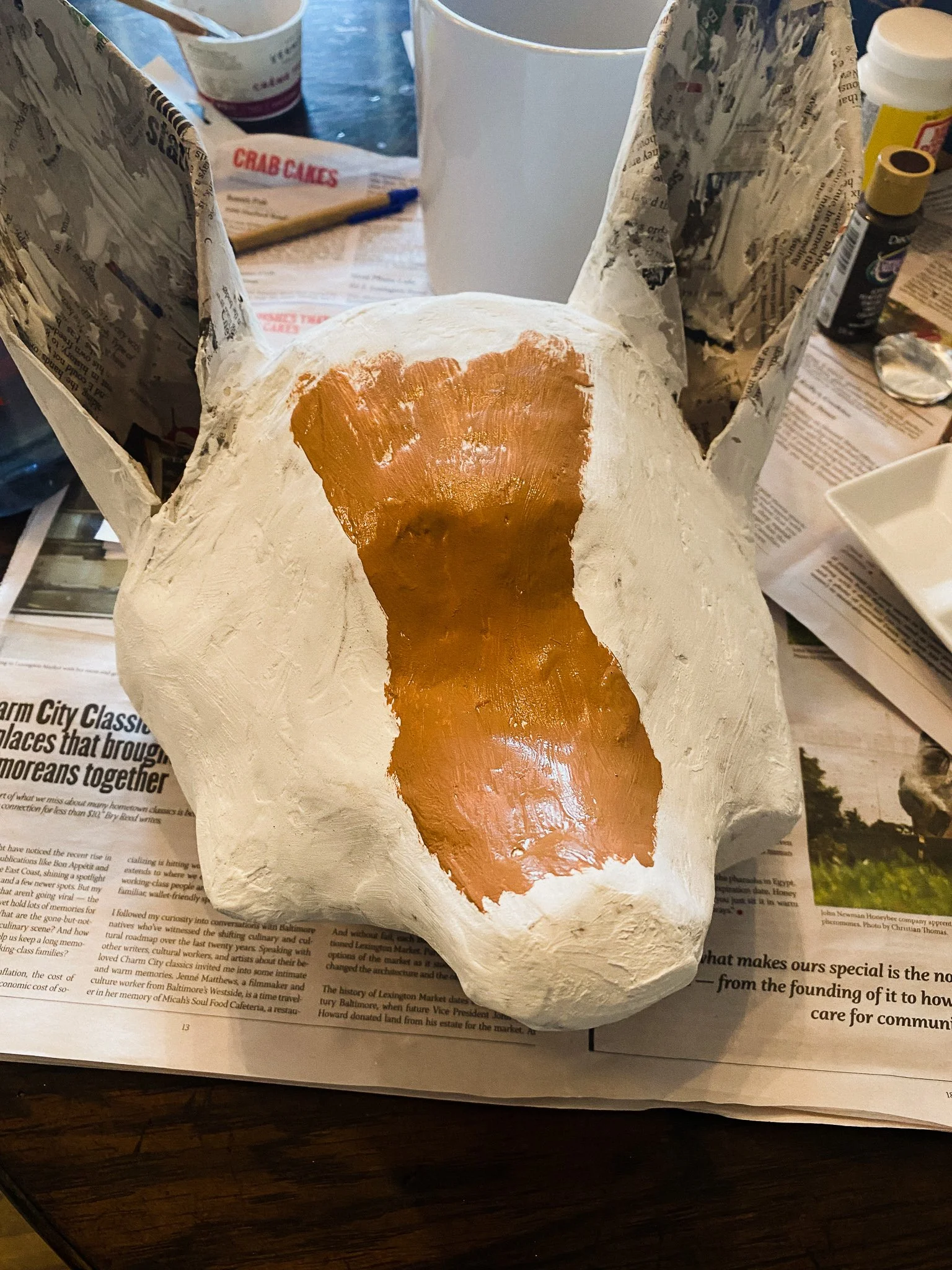
It seemed to work fine, but when I painted a coat of white acrylic on the mushroom cap, every crease and buckle showed up. I did some research and discovered I could smooth it with drywall compound. I also learned I could make my own paperclay, which should eliminate the problem altogether, so I’ll try that method next time.

I applied a thin layer of drywall compound to both headpieces, then used a damp washcloth to smooth it down. Once dry, I painted the mushroom cap again. Not perfect but better.

The painted mushroom hat

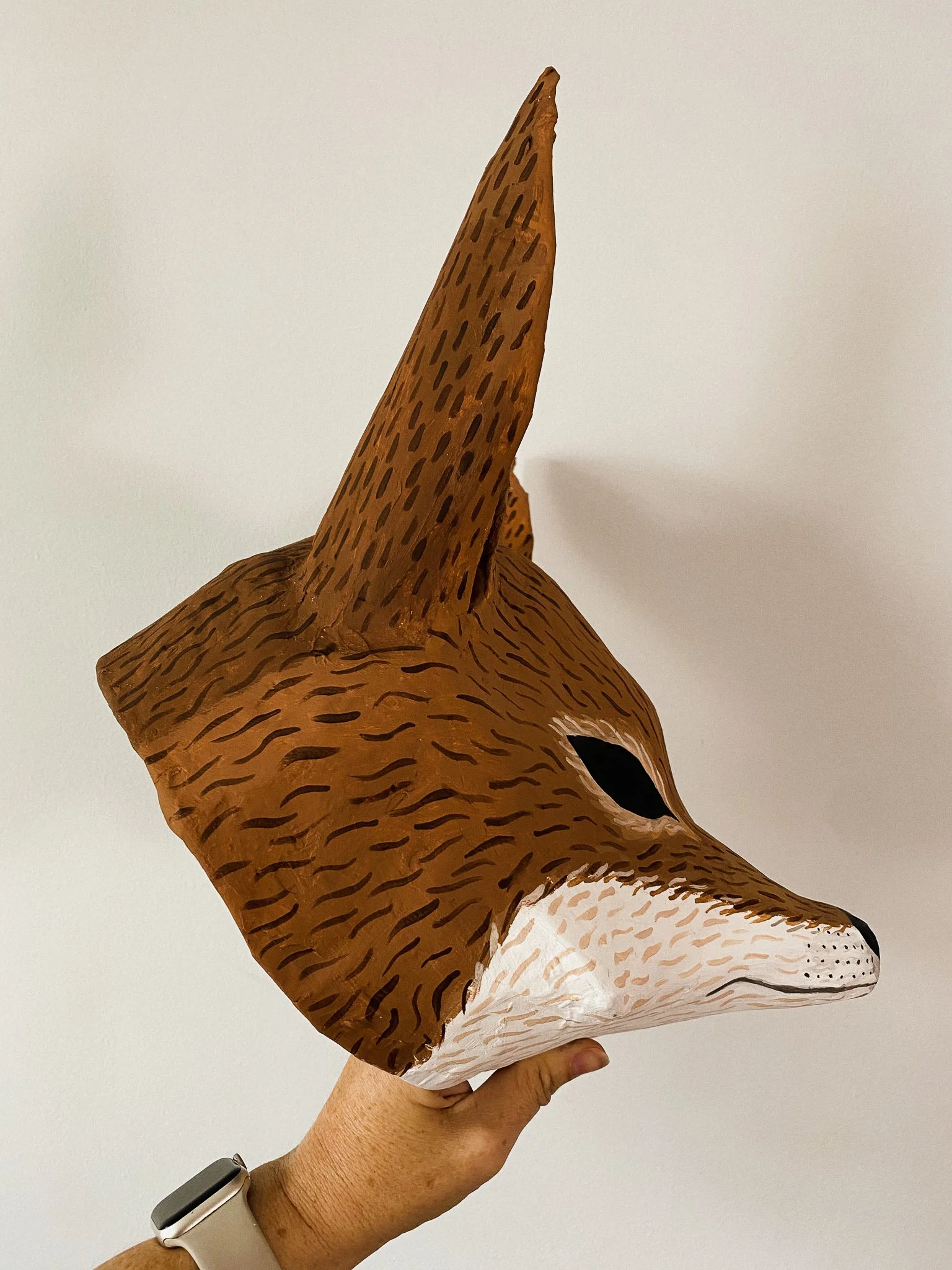
The jackal mask was still rough, but all the painted details concealed it a bit.

painting over the drywall compound on the jackal mask
painted details on the jackal mask
side view of the jackal mask

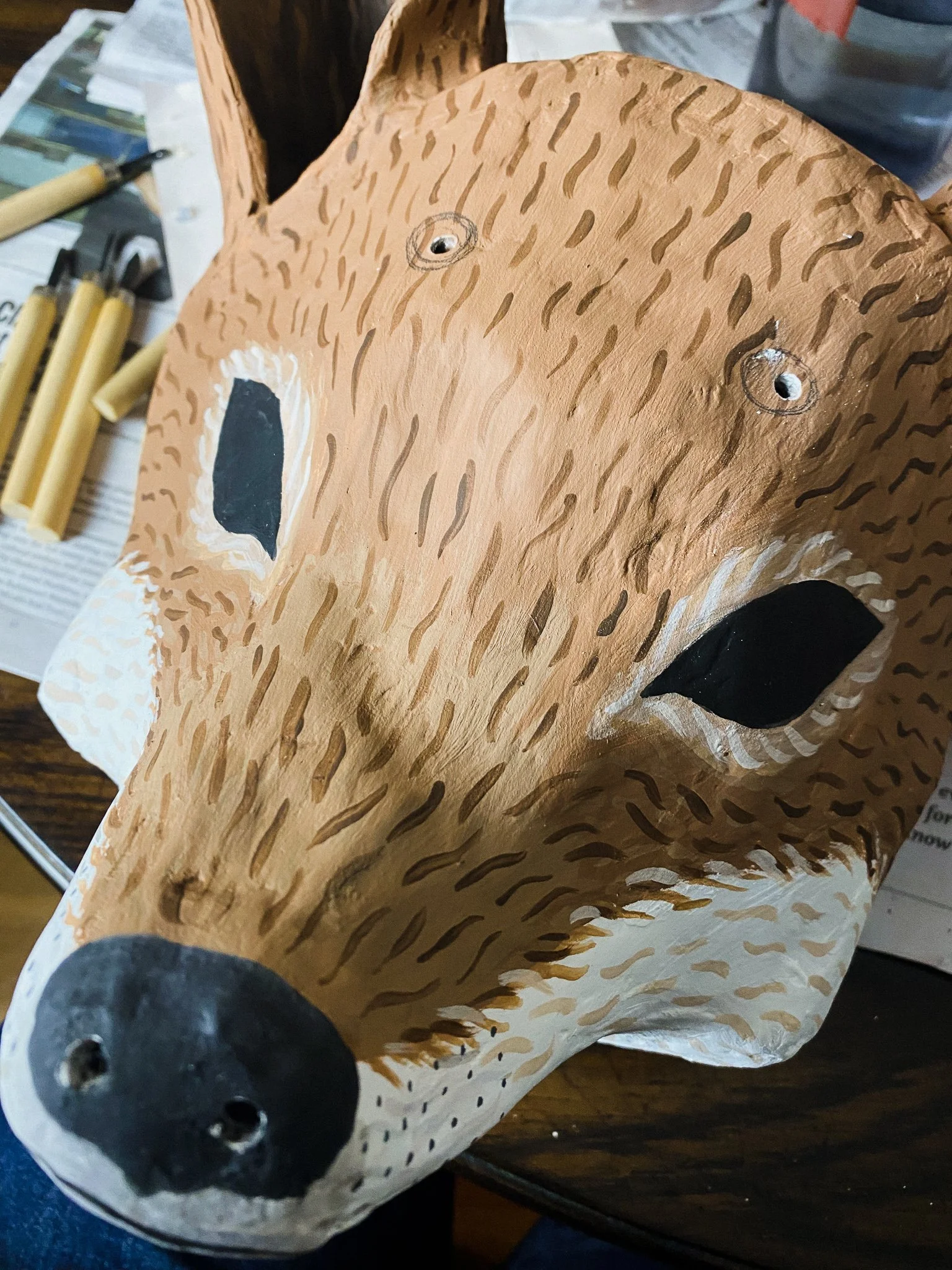
For Paul's mask, I wasn't sure about the eye holes. I considered them in the very beginning, but decided it would be safer to add them after everything was formed and painted, and I think that was the right call. I had Paul try it on to figure out where his eyes actually were. Turns out they were right about where the jackal’s eyebrows could be. I used an awl to punch small holes, then shaped them by cutting through the mesh and paper mache with an exacto knife. Added nose holes too, to make it more breathable, though I'm not sure it ever became super comfortable.

munching out eye holes on the jackal mask

But really, it just needed to be wearable for a few minutes at a time. Halloween masks get old quickly when there’s beer at hand.

Paul wearing the jackal mask

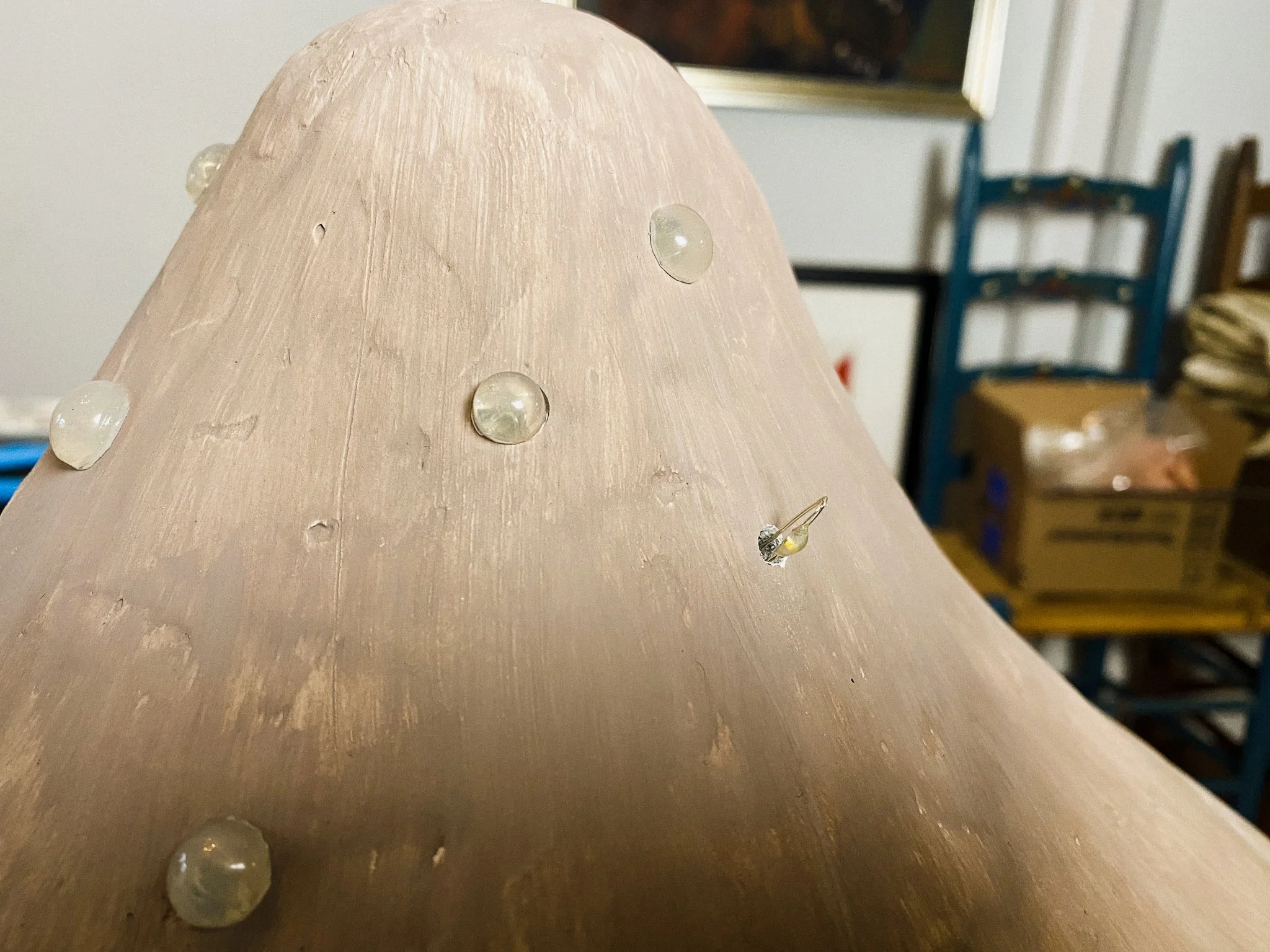
The mushroom hat got LEDs. I took the awl and made holes all over the cap, threaded lights through, then capped each one with hot glue. The whole time I was thinking I hope the batteries don’t die before the night is through.

punching holes in the mushroom hat
gluing the LEDs on the mushroom hat

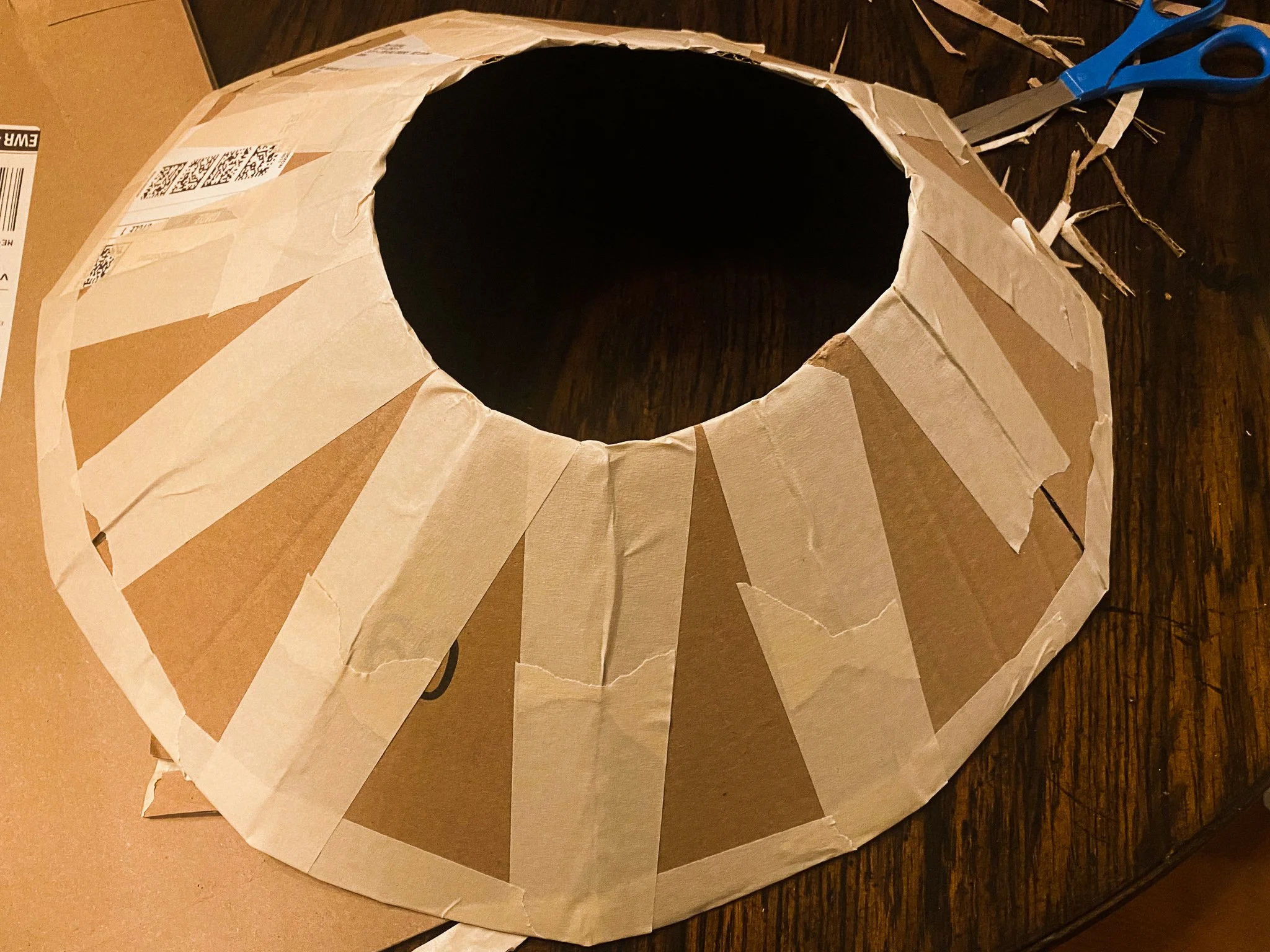
At the base of the mushroom hat, I made a cardboard frame which I covered in chiffon to resemble gills—this part sat on my head, attached to the cap with double-sided carpet tape. Then I added a white chiffon veil to cover my face, and ribbon ties out of old tulle so that it wouldn’t fall off the moment I leaned over.

making the frame for the mushroom gills/headrest
the cardboard frame for the mushroom hat
adding chiffon to the underside of the cardboard frame
the mushroom hat lit up
the mushroom costume in all her glory

At the party, I met a neighbor dressed as a voodoo doll. Her costume was fabulous. Pins sticking out everywhere, full outfit, mismatched shoes, elaborate headpiece. I thought it looked like exactly the amount of work I was trying to avoid. Meanwhile she thought mine sounded like a ton of work because of the paper mache and LEDs.

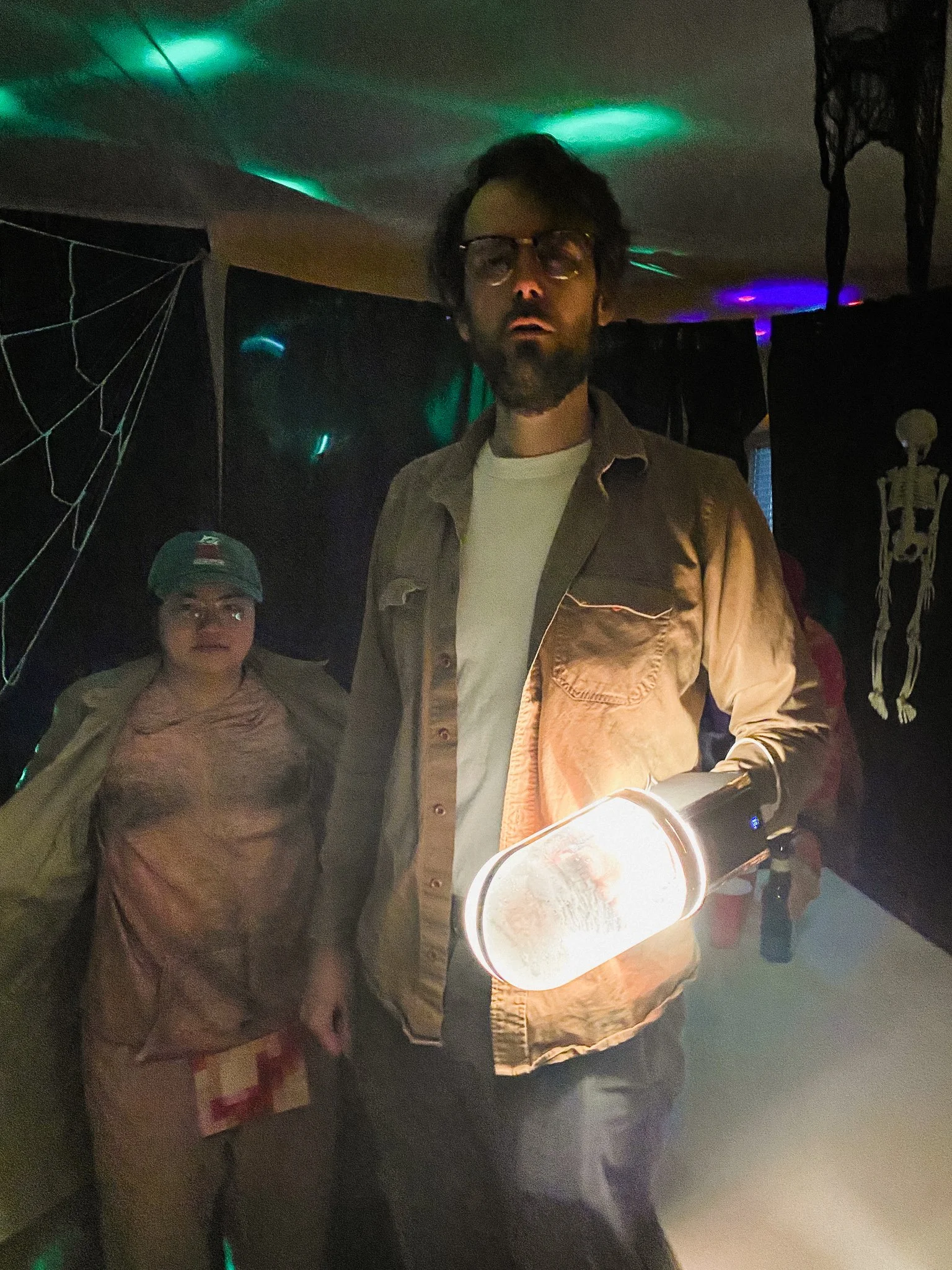
Her partner came as JP Prewitt—David Duchovny's character from Zoolander. He crafted his homemade hyperbaric chamber from a plastic display dome and an LED strip. He had my vote for the costume contest.

my favorite costume from the party

The world’s greatest hand model. And a pixellated flasher.

He tied for second. I came in third. There were four people tied for second, so take that as you will.

Most people knew I was a mushroom. Some thought I was a samurai. One trick or treater asked if I was an angel. Another asked if I was a forest maiden, which struck me as very funny—forest maiden was in his vernacular. One kid informed me that mushrooms are red. One man said he knew what I was because "I eat a lot of mushrooms."

I'll definitely do more mask making in the future. Maybe not until next halloween, but certainly at some point. It’s always nice to have an excuse to play with a different medium. Working with sculptural mesh felt inspiring in a way I didn't expect, despite the fact that I now know what they mean by “death from a thousand paper cuts.” And there's something satisfying about making costumes that are fully one-of-a-kind, even if they're a little uncomfortable and take too long and some kid thinks you're a samurai.

hanging out on the back deck

One of the people who tied for second was at another party I went to on Saturday. It was nice to have that connection, to recognize each other from the Halloween party. Small neighborhood moments like that are why you spend weeks making a mushroom hat in the first place.

Jennifer M PotterComment
Eleven Napkins

I've been on the hunt for napkins.

I switched from paper towels to cloth a while back, but the ones we’re using are very spring floral. Fuchsia, baby blue, grass green. That's not going to cut it for the cozy vibe I’m cultivating this winter. I need understated—pumpkin, rust, yellow ochre. I need this:

Fall colors at the park down the street

Fall colors at the part down the street.

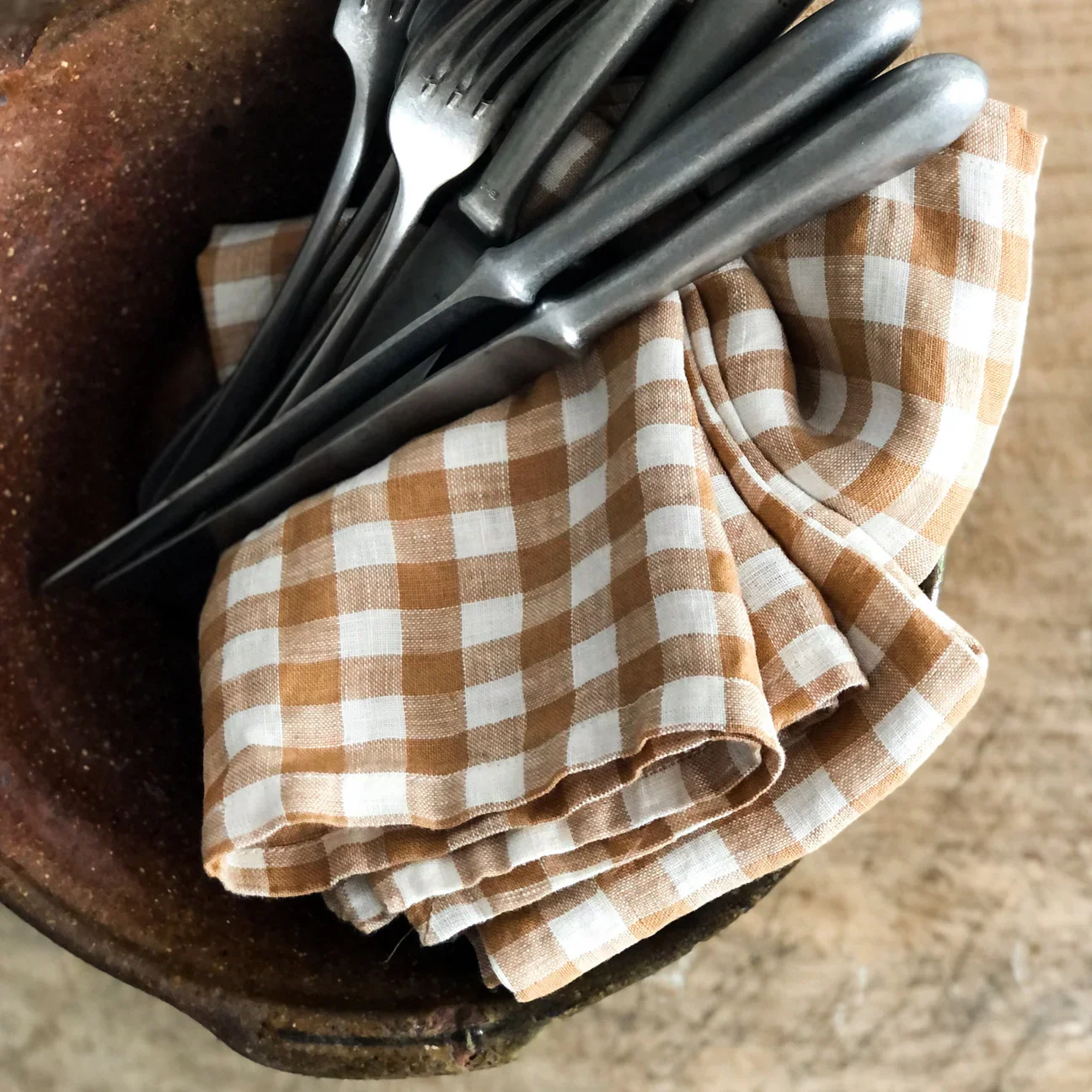
I started my search at HomeSense. That's where I found the floral ones, plus a white linen set I'll probably never be brave enough to use. Didn’t find anything. So I switched my search online. I had my heart set on these gingham European linen napkins. But oof, sixteen pounds each. That's more than I want to spend on something duty-bound to get stained on the first use.

European Linen Napkins from Nordic Living

Fancy European flax napkins

I found some half-decent substitutes, but didn’t trust the quality. Everything online was either too bright, printed rather than woven, or polyester. No synthetic fibers for me. If I can't find linen, I at least want cotton. They may take more care, but I didn’t switch away from paper towels only to add microplastics to the mix.

I finally found something that looked moderately close to the European linen at Kohl's, so I drove to Towson to check them out. Didn't love them. Cotton-poly blend. But I'd already driven there, so I stopped by HomeGoods. Nothing there either—just Christmas stuff and a William Morris print that's ubiquitous now.

But then my eye caught on something. A 100% cotton napkin. Natural ecru with a pumpkin-rust pattern woven in at the edges. Not gingham, but definitely the vibe. I looked around for the rest. Nothing. Then I looked down at that bottom shelf where everything lands. I got on my knees—yep, I was that woman—and peered under. Found another one. Further down, one more. Then I started digging behind stuff on other shelves. All in all, I found eleven.

I figured there had to be at least one more since napkins often come in packs of twelve. But I didn't want to start taking things off the shelf. I’m not that woman.

I took my eleven loose napkins to the checkout, hoping they'd sell them to me. While in line, I looked them up—found a set on eBay. They come in packs of eight. That means there are at least five more in the store somewhere. I'd love to have them, but I have a dog to get home to.

At the checkout, the cashier called someone from that department. He asked where the tag was. I said there wasn't one. He went to find it. I could've saved him the trip. Eventually he came back and told the cashier to make up a price ‘cause they didn’t have any more. Could've told him that, too.

Eventually, I left with my prize. Washed the napkins, folded them, put the old ones in the drawer under the china cabinet and set the new ones in the wooden box on the table.

cloth napkins folded in a wooden box on my table

The napkins I fought for

We christened them the next day when we had friends over. Paul made pulled pork. I tried hard not to dirty mine, but of course I couldn't tell anyone else not to. At the end of the night I collected them—grease stains on every single one. I crossed my fingers, sprayed them with natural laundry detergent, added oxygen booster, and washed them in the sink before hanging them over the shower rod to dry. The next day they were good as new.

They're not European linen, but I'm happy with them. And honestly, I feel like I earned them.

Not sure what I’ll do if I have more than eleven people over this winter. Maybe bust out the white linen.

Jennifer M PotterComment
Earning Out

I woke up at 3am thinking about royalties.

Royalties and advances and advances on royalties. They're one of those mysterious illustrator things, though I first encountered them back in my band days. You could sign up with a publishing company and somehow you'd get money a few times a year if a song got played on a college radio station.

Free money. With a side of ego-boost. Who doesn’t want that? Me apparently, because I never signed up. I could’ve done something with that $1.31. Le sigh.

For illustrators, royalties come from sales—greeting cards, fabric, books. Do enough things that sell well and you can build long-term income. But most things don't earn out. Getting a good advance is always better. With royalties, you're paid precisely based on how well the item sold. Advances are about hope and good faith—how well the distributor hopes it will sell. You and the publisher both take risks: you accept royalties in lieu of more money upfront, the publisher offers an advance on something that doesn't exist yet. As long as you complete the project, you don’t have to pay it back. So if it doesn't sell well, that’s still real money in your pocket. So get the best advance you can. If royalties come, that's icing on the cake.

Cover of Claude: The True Story of a White Alligator

My cake recently got a few more frosting flowers. After five years, Claude earned out. I thought it might—it's in its 5th or 6th printing now and has a board book edition—so I was feeling confident.

A few weeks ago Julia, the accountant at my old agency, emailed with the good news and sent my royalty statement. That's what woke me up at 3am: the idea that I could show you how to read the damn thing, for when you get one of your own.

I'm not sure it's kosher to share my actual statement. I think we should all talk about money more, but this isn't just my money—it's the publisher's too, and my agent's. So instead, here's a fictional one.

This is Mirabel's statement. She's a squirrel (not that it matters). She wrote and illustrated a book called Acorns & Elegance: A Guide to Seasonal Entertaining. Tiny Tail Press paid her an advance of 1000 leaves. The book was a hit—fourteen moons on the New Oak Times Bestseller list—and she just earned out.

The first page shows the reporting period and how often statements come. This period, Mirabel earned 22.2 leaves.

Here's where it breaks down by sale type. Mirabel gets 6% of hardcover books over 1000 units sold. She got 5% for books 1-1000, but that’s not listed here—a small bump in royalties is a fairly common bonus when a book sells well. She also gets 4% for paperbacks.

Each type is split between regular and discount sales. Different formats and retailers can have different rates. The list price for Acorns & Elegance is 10 leaves, so when a book sells at full price, Mirabel gets around half a leaf per book. For heavily discounted sales (which are common with wholesale pricing), she still gets 4-6%, but of net instead of the list price. Net can be, uh—squirrelly—so be sure to ask how the publisher or manufacturer calculates it before signing anything.

The summary shows what she earned this period, minus money the publisher is holding to cover books that might be returned, plus any money they released from last period’s reserves, and minus what remains on her advance. In other words, the publisher keeps some funds to protect against potential returns while returning any money they no longer need to hold.

If Mirabel still had a lot of her advance remaining, you’d see that under Advances and Expenses. But all that remains is 4.7 leaves. Since that’s less than what she earned this period, she’s finally earning out. Tiny Tail Press will pay her the balance of 22.2 leaves. Maybe that’s 22 big leaves and one really small one. I don’t know rodent economics.

Finally, we see how many total units Mirabel has sold. Not bad! Hopefully it will stay in print for many years to come!

Once you earn out, every statement after that is just money coming in. More icing on your cake, or in Mirabel's case, more maple on her pecans.

Mirabel's hard at work on her follow up, Chestnuts & Charm: A Guide to Gracious Living. Preorder at Tiny Tail Press.

Jennifer M PotterComment
Tomatoes in My Pocket
Orange cherry tomatoes from my raised bed

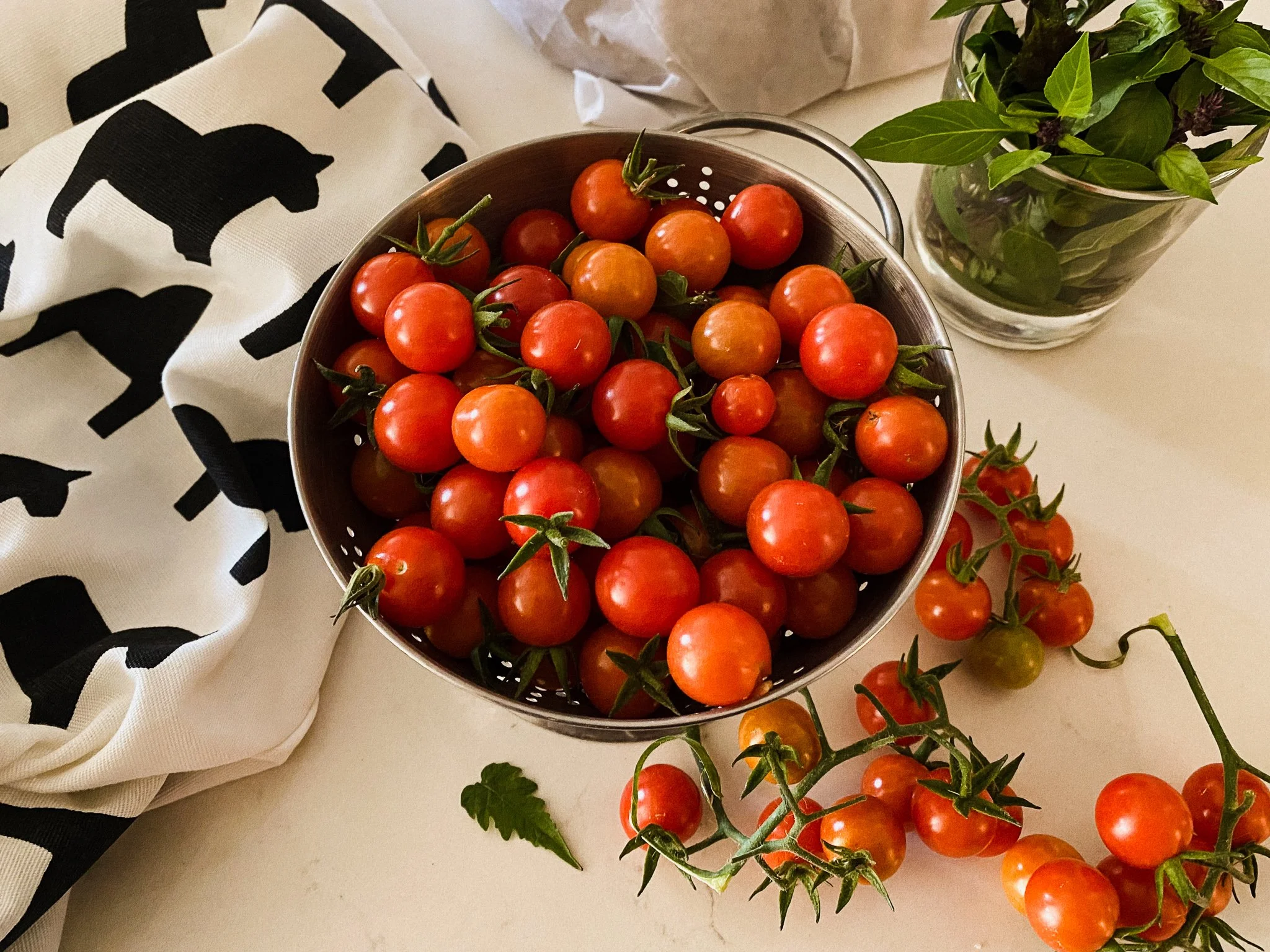
I've been harvesting cherry tomatoes all week. I grow some on my deck—bright orange. I swear they smell like citrus when I pick them. Grapefruit, maybe. And there's a patch of red cherries near the old mansion in my neighborhood where I sometimes walk with Frisket. My neighbor calls wild tomatoes volunteers. I appreciate their effort.

Monday I cooked them with Italian sausage, broccolini and a bit of butter. Is there anything better than tomato infused oil? Tuesday we had leftovers. By Thursday we were running low, so I foraged more.

A colander full of foraged cherry tomatoes

Saturday night we went to DC to see our friends in Black Eyes play at the Black Cat. On the way, I drove, so I got to pick the music. The Psychedelic Furs—a band I loved since childhood. I told Paul about one of the most cringe things I've done, which involved holding a boy's hand and listening quietly through an entire song. Paul said, "I think you have to be cringe to be an artist."

I asked him what he meant and he elaborated. "You don't get cringe without taking risks. It's not cool to feel things deeply. And why even bother making art if you don't care about anything?"

Arriving in DC, we saw soldiers walking around. National Guard, brought in by Trump. I've been to Guatemala, where police wear camo and carry assault rifles. It was unsettling there. It's unsettling here. But I saw more people wearing FREE DC shirts than soldiers, which was comforting.

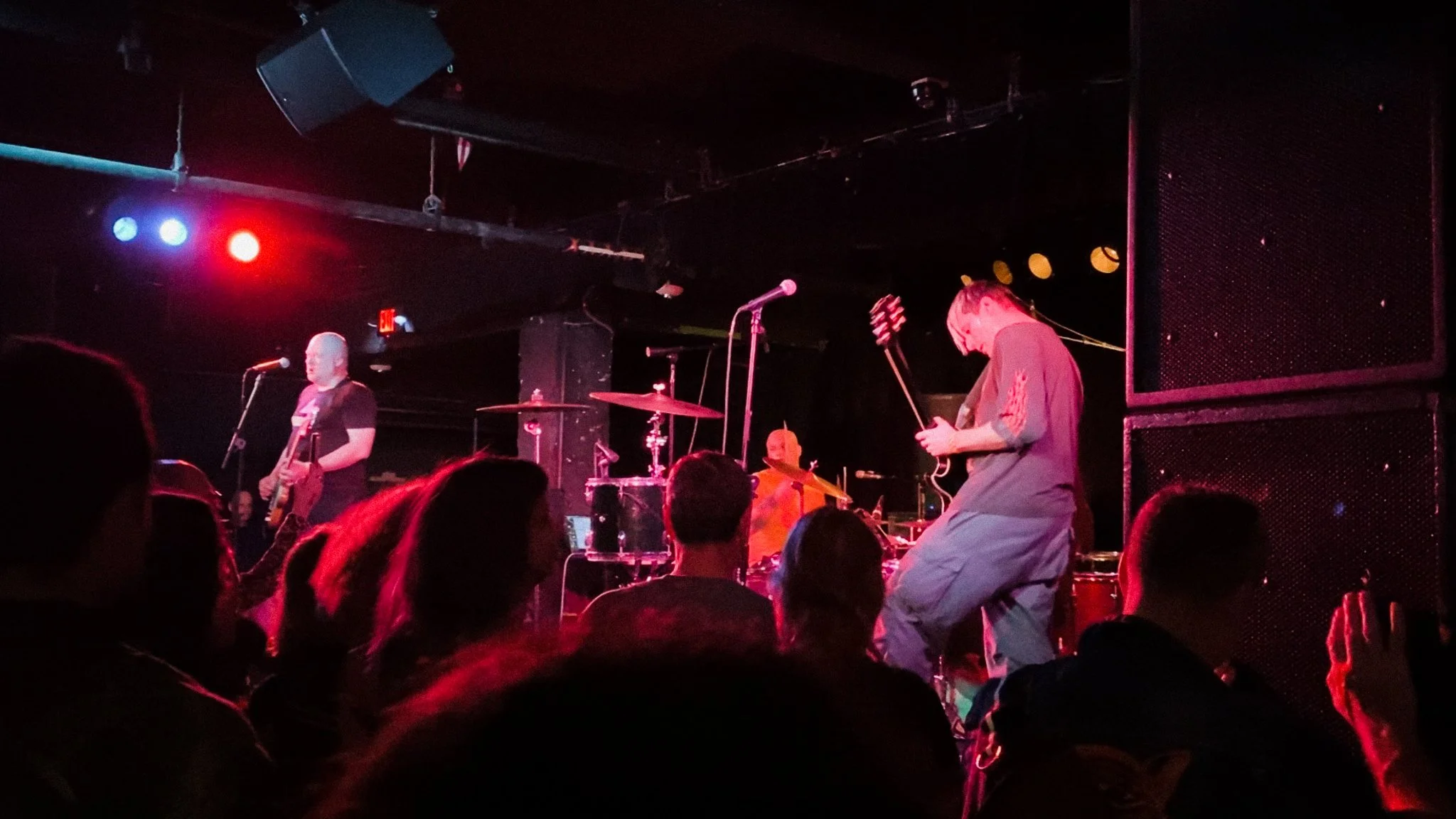
Black Eyes at the Black Cat

Black Eyes are fun. I missed their heyday—they'd broken up just before I met them all, and now, twenty years later, they're touring again. Young girls in pigtails and X’d up hands moshing at the front of the stage. That used to be me.

During the set I reached into my coat pocket and felt something unexpected. Soft and smooth, like a superball. I pulled it out—a cherry tomato, probably in there for a month. Totally fine somehow.

This is me, at a dance-punk show, with a foraged cherry tomato in my pocket.

When I got home I put it with its brothers.

Sunday night we saw more old friends. Pissed Jeans at the Ottobar here in Baltimore. Heavy punk. Raw and yet flawless. Feels like you're watching the Stooges. The drummer is one of my oldest friends. Sometimes you're states apart, but when you see each other again, you know you're family.”

Pissed Jeans at the Ottobar
Matt Korvette doing his thing

I stayed to watch the headliner, High Vis. Hard core/punk with a very British flavor. The singer performed like Shaun Ryder. When they warmed up with a Stone Roses riff, I knew I was in good hands.

High Vis telling us we're all scousers

At one point during the show, I put my hand in my pocket and felt something nestled in a fingerless glove.

Another tomato.

So I guess that's my thing now.

Jennifer M PotterComment