Posts tagged Art
Lenses

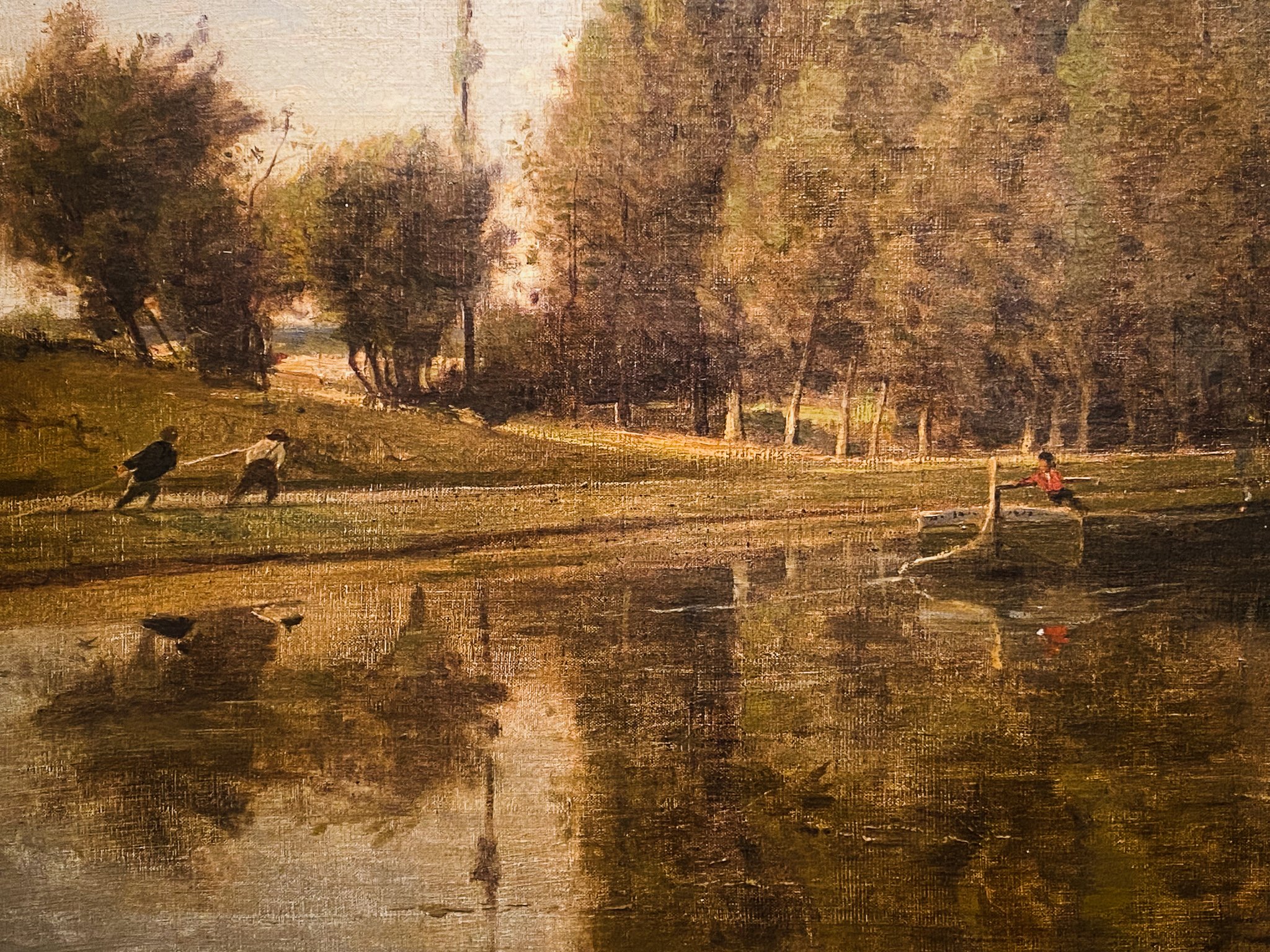
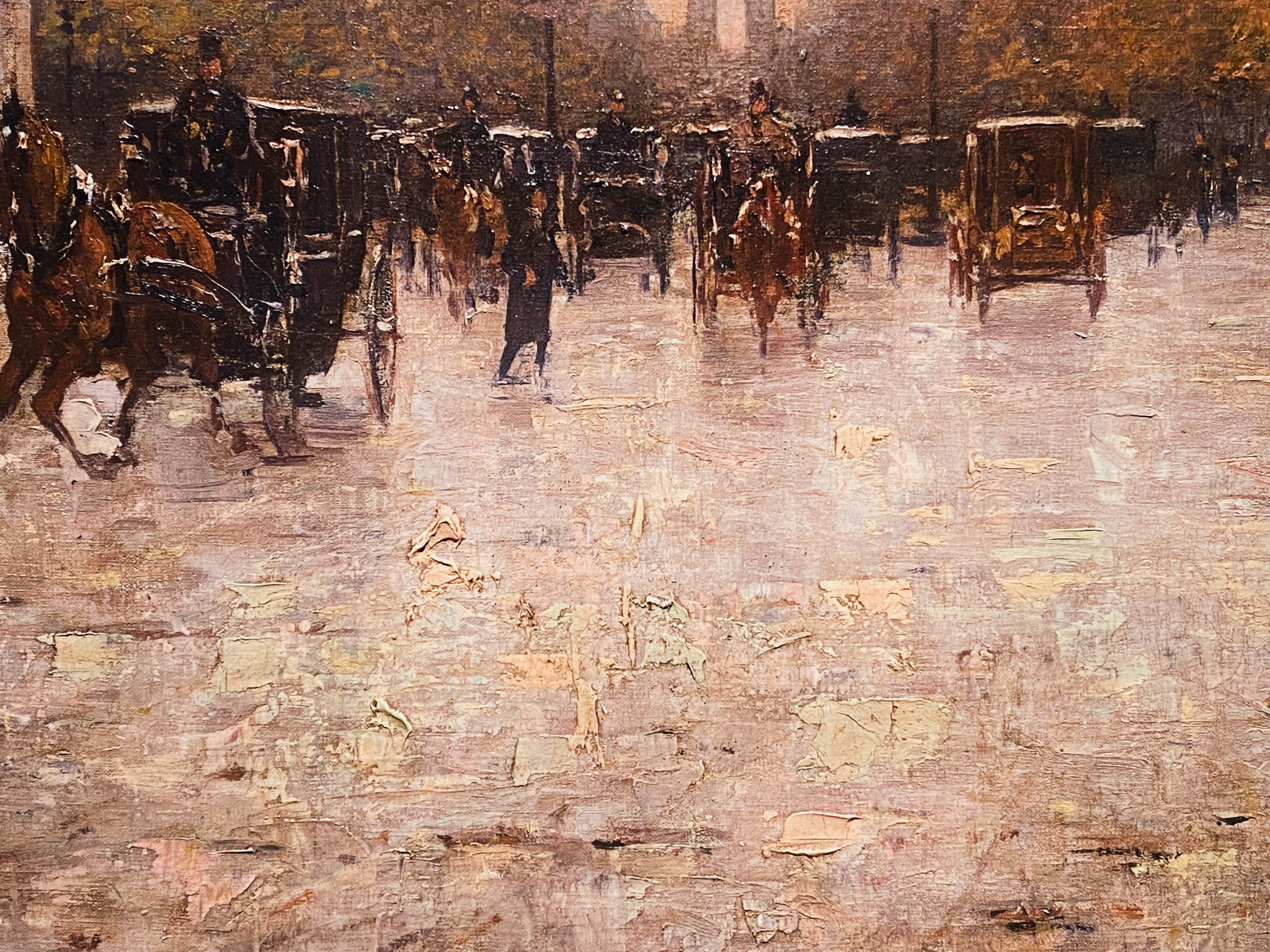
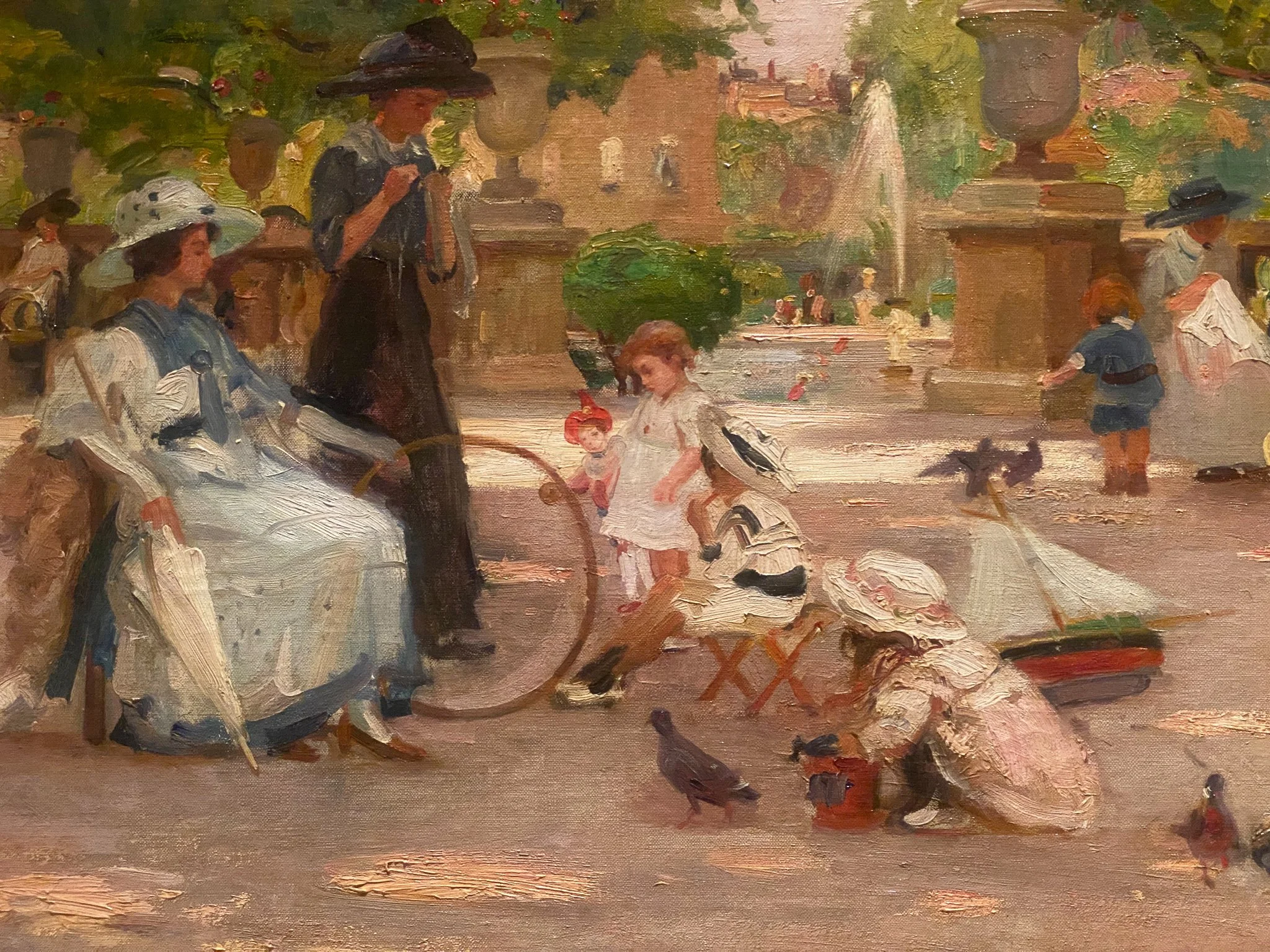
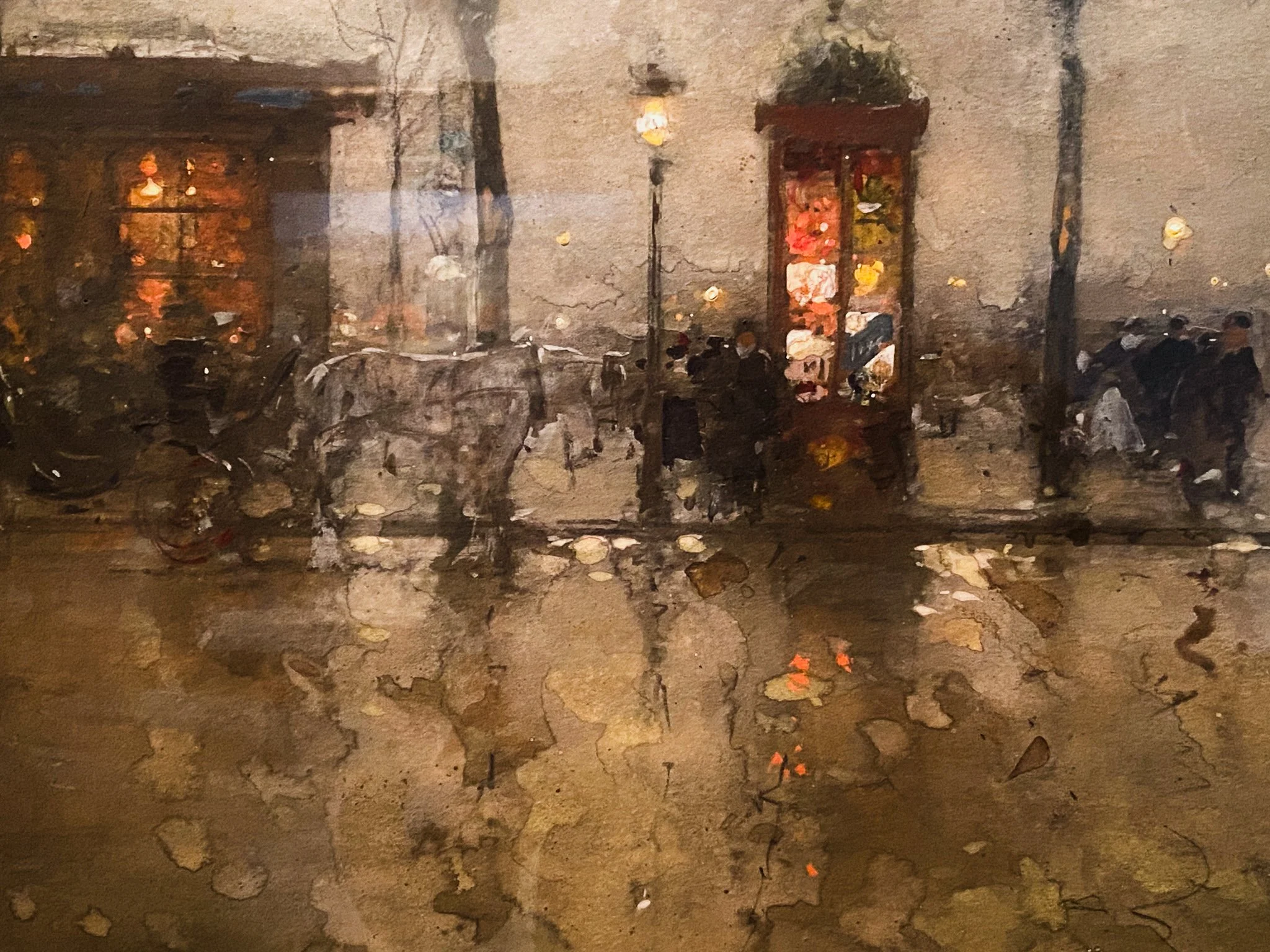
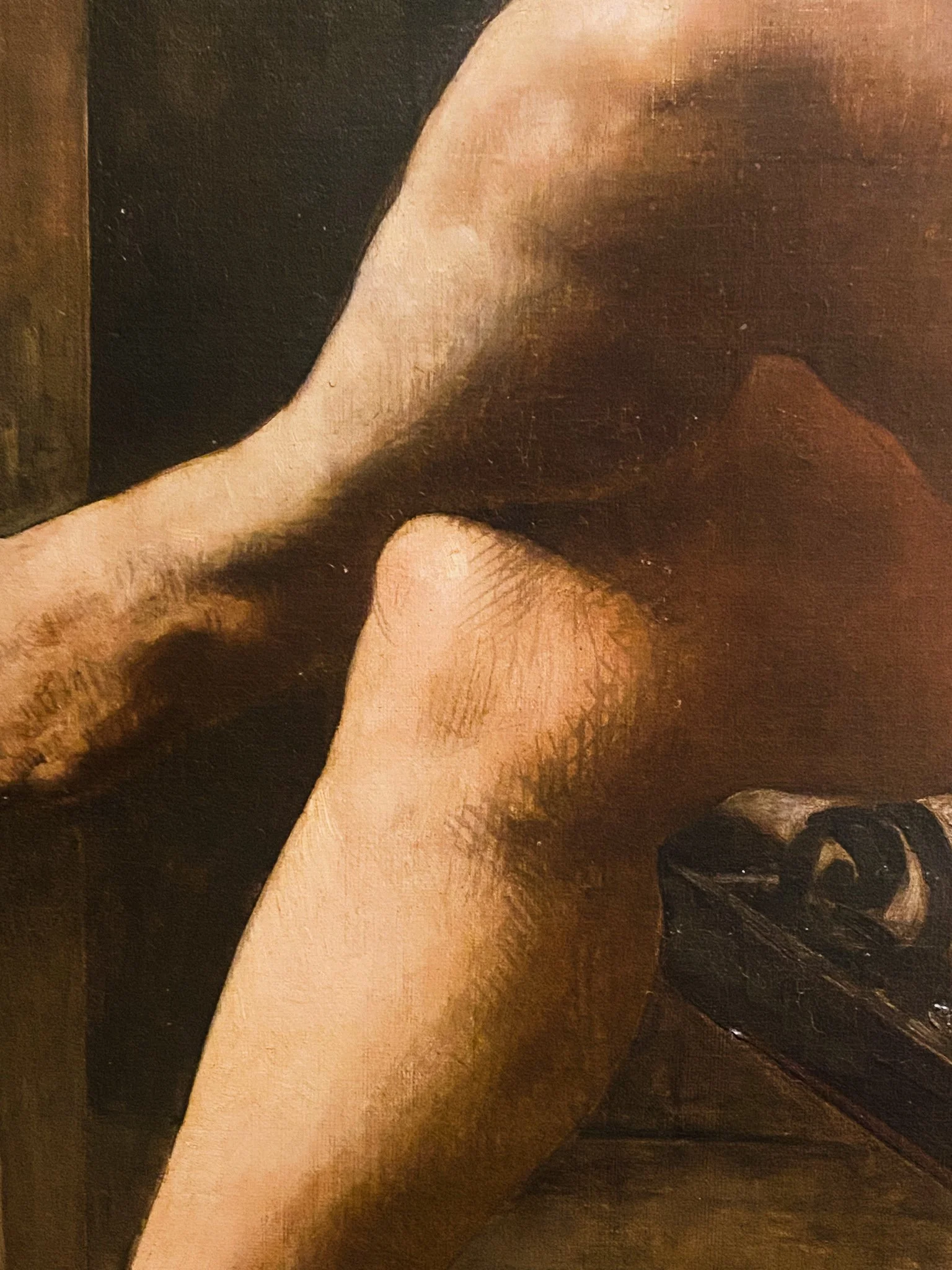
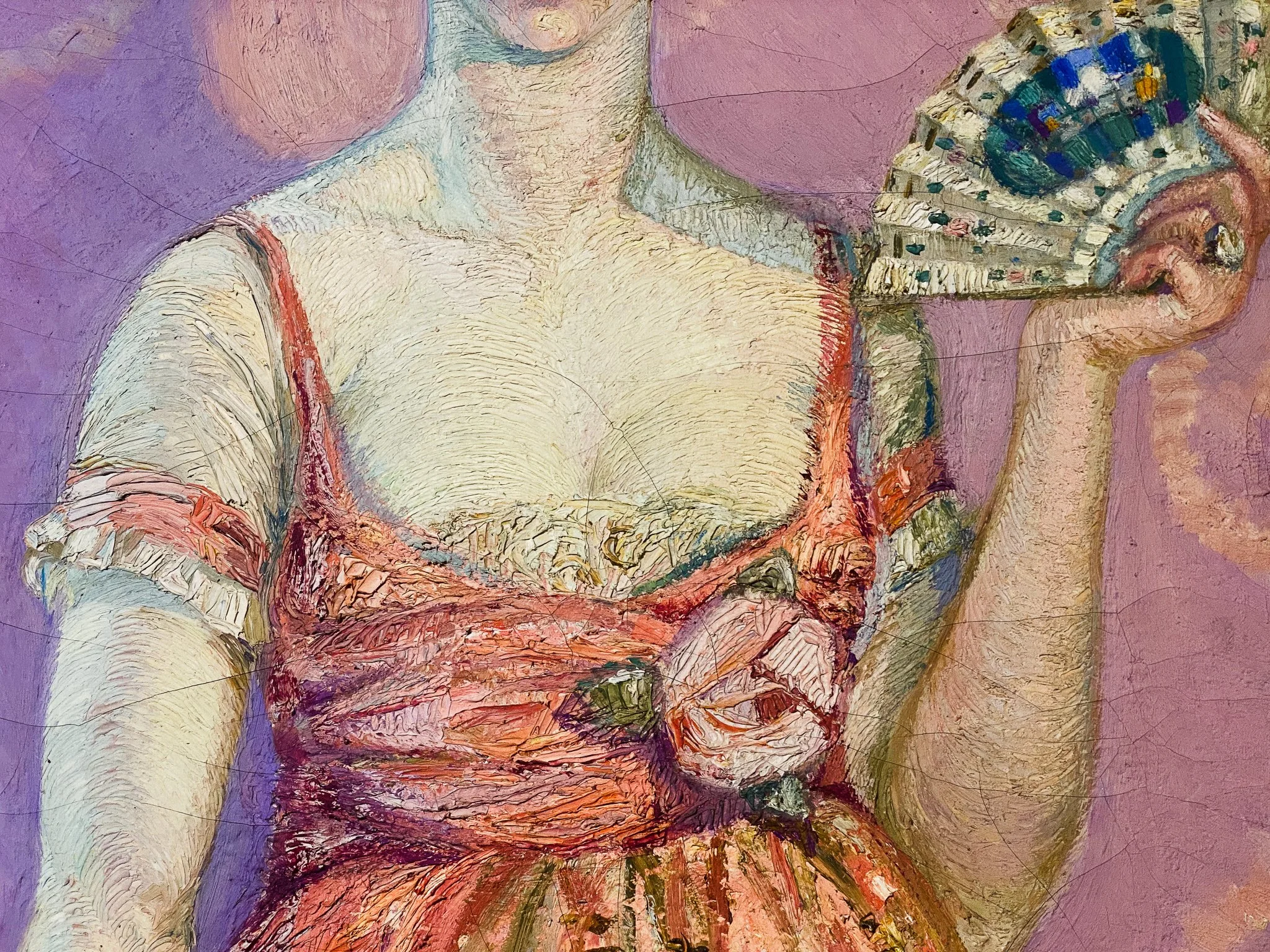
I photograph the paintings I want to remember. The full piece, the museum label, closeups of the surface. I’m collecting information to pore over later, to remind myself how someone achieved a particular effect.

Detail of La dama del abanico by Carlos Alberto Castellanos

Detail of La dama del abanico by Carlos Alberto Castellanos

At museums here in South America, I’ve been watching other people take pictures, too. Sometimes we’re photographing the same pieces, sometimes completely different ones. I’ve started wondering what lens they’re looking through. Are they studying technique like me? Sharing proof they were here, that they saw this? Trying not to forget they felt something? Or maybe they don’t know how else to interact with art—these days snapping a picture is a way to preserve something’s essence. A bookmark in a passage. A licked and sealed envelope.
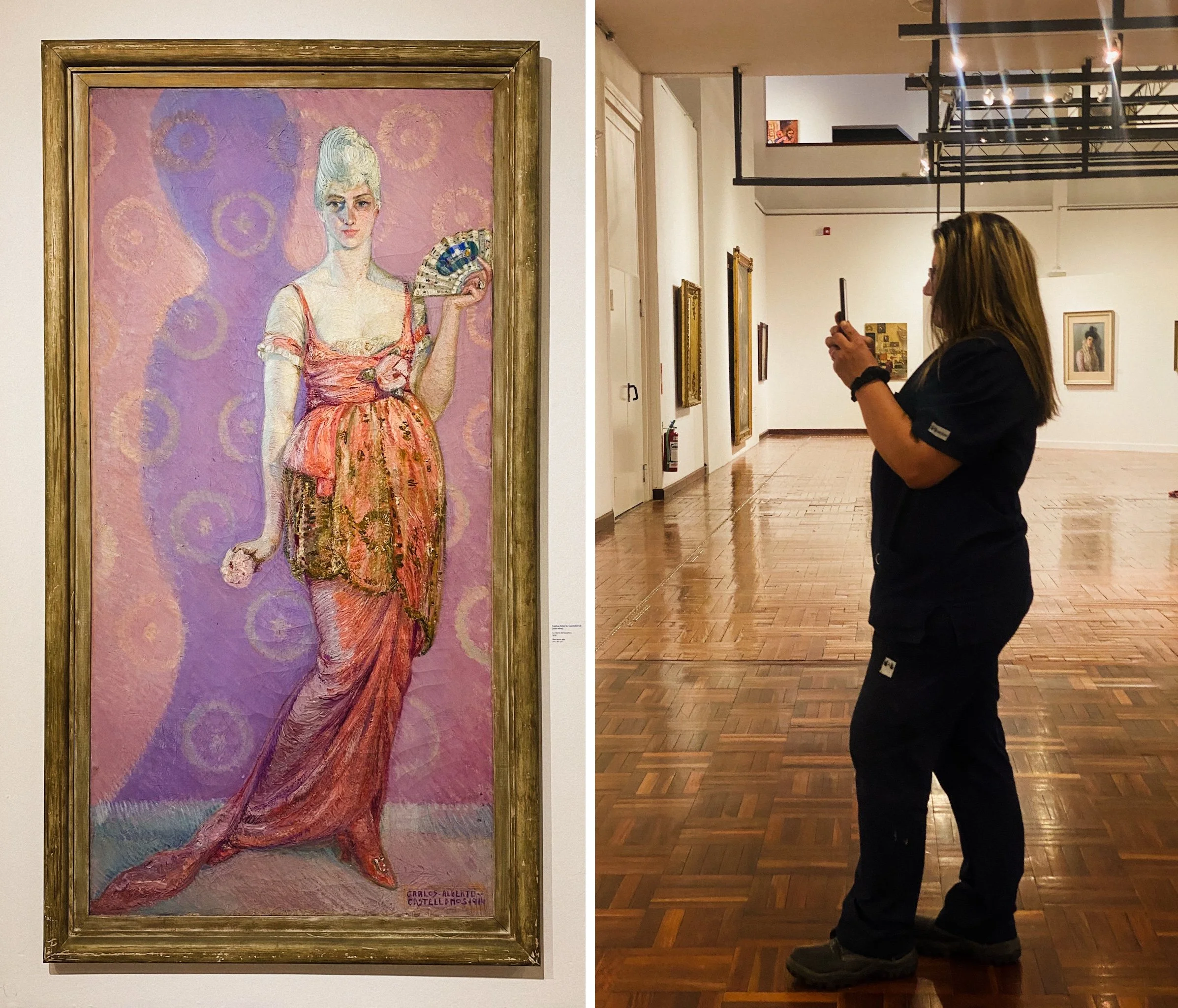
Left: La dama del abanico by Carlos Alberto Castellanos; Right: A woman taking a photo of the painting

Left: La dama del abanico by Carlos Alberto Castellanos; Right: A woman taking a photo of the painting

I try not to photograph everything that catches my eye. Sometimes I just sit with it, let it be ephemeral. It comes with a sense of unease. What if I forget how wonderful it was?

It's easier with famous pieces, since I know I’ll encounter them again sometime. (This is where I'd include pics of Frida Kahlo and Diego Rivera paintings had I chosen to photograph them.)

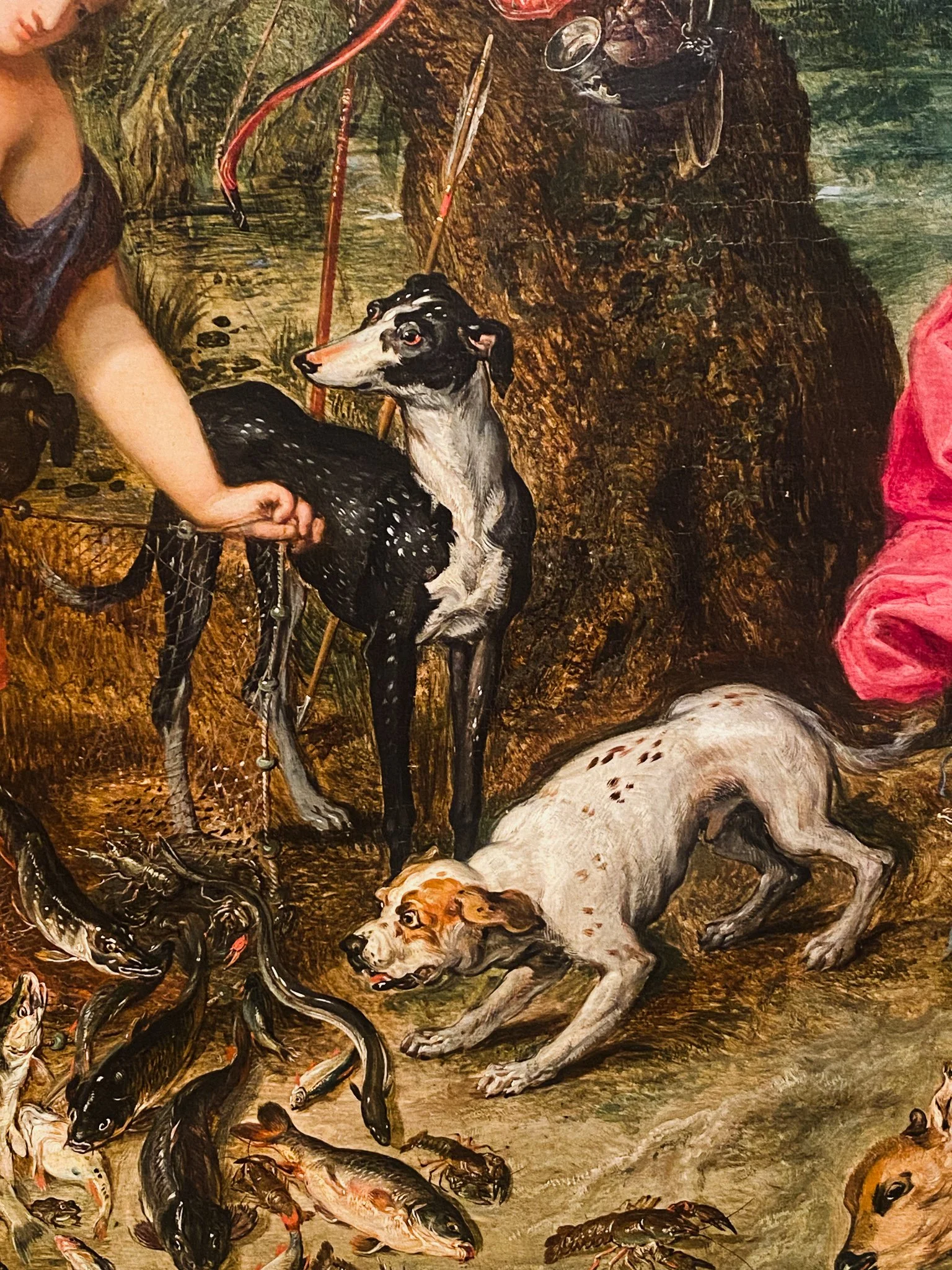
But here's a Kahlo drawing I thought you might like to see. For your particular lens.
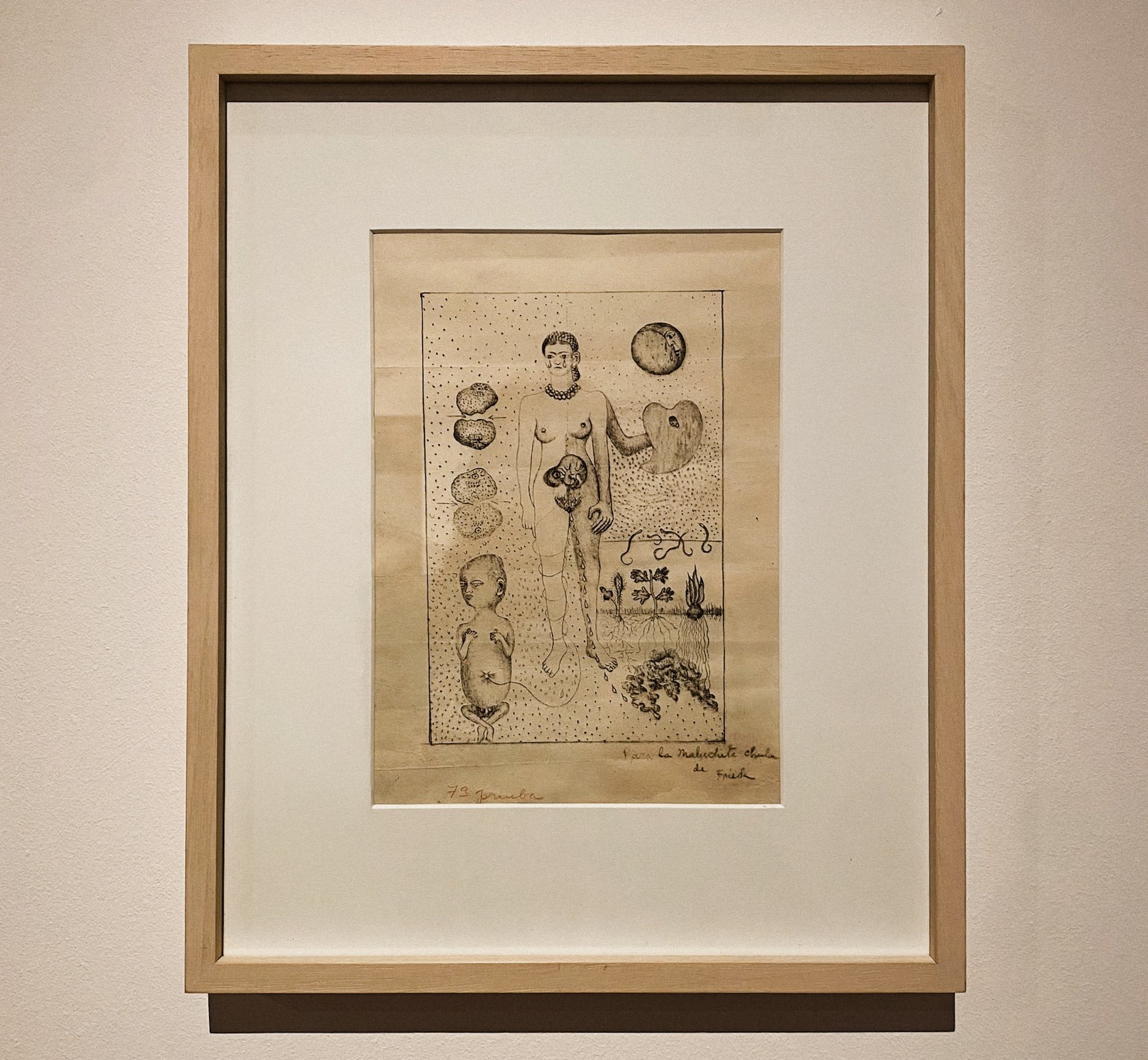
A drawing by Frida Kahlo

Untitled by Frida Kahlo

At the Museum of Latin American Art in Buenos Aires, there was a provocative piece—a grid on the floor with a label that read: DO IT YOURSELF: FREEDOM TERRITORY. I almost walked around it like everyone else. Then I considered that passive viewing was a kind of prison. It's the norm to not touch the art—rightfully so. But I could see this was meant to be interacted with. An invitation to defy convention. Stepping inside was a kind of freedom.

So I did. I walked a few grids forward, up a few, over a few. Hopped to one. I was aware the whole time that the docent and other patrons could see me choose to engage while everyone else skirted around it. An outsider inside the art. A little self-conscious, I suppose, but at least I was free.

Then I stepped out and took a picture. So I’ll remember being free.
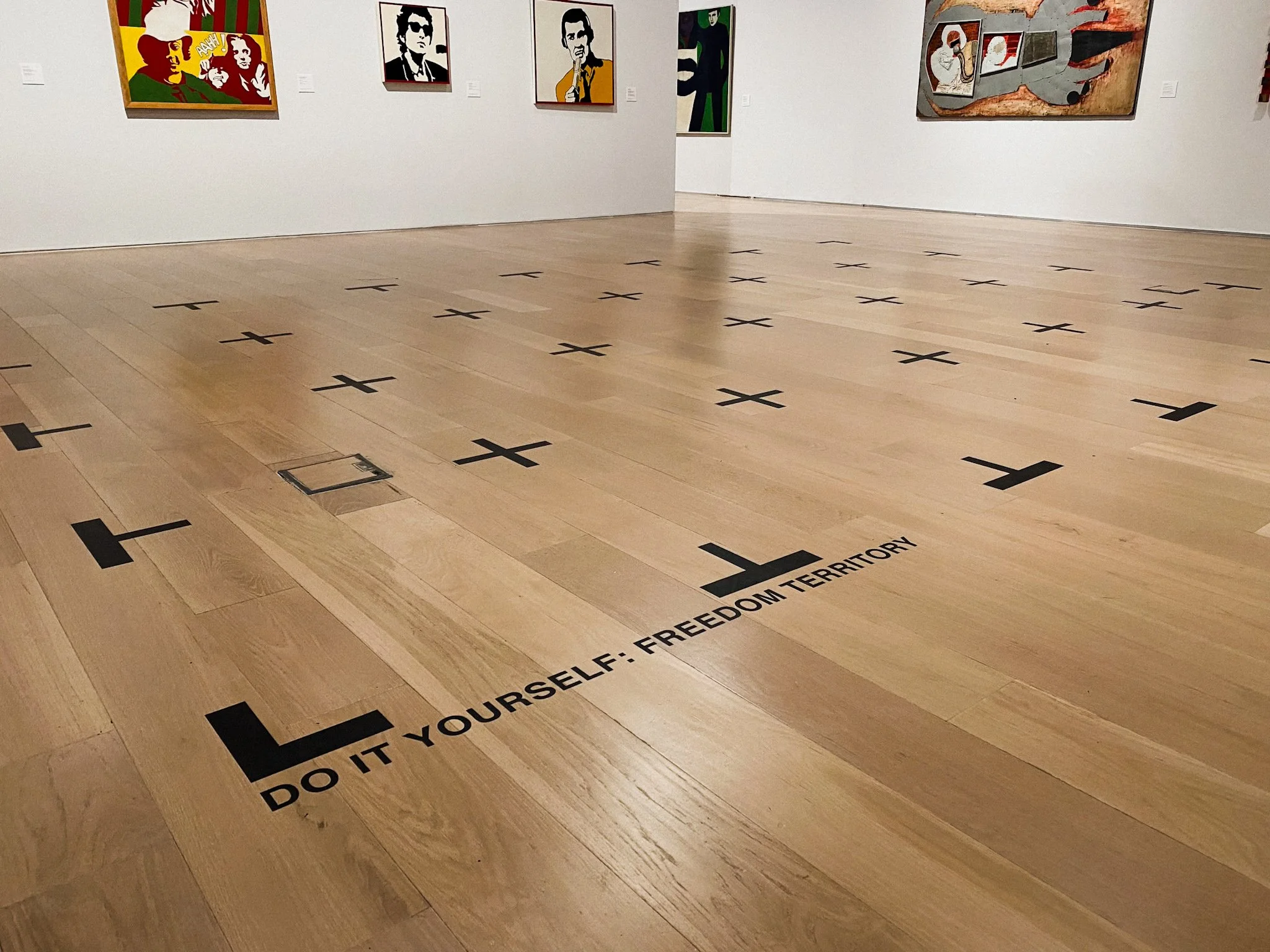
Photo of Do it yourself: Freedom Territory by Antonio Dias

Do it yourself: Freedom Territory by Antonio Dias

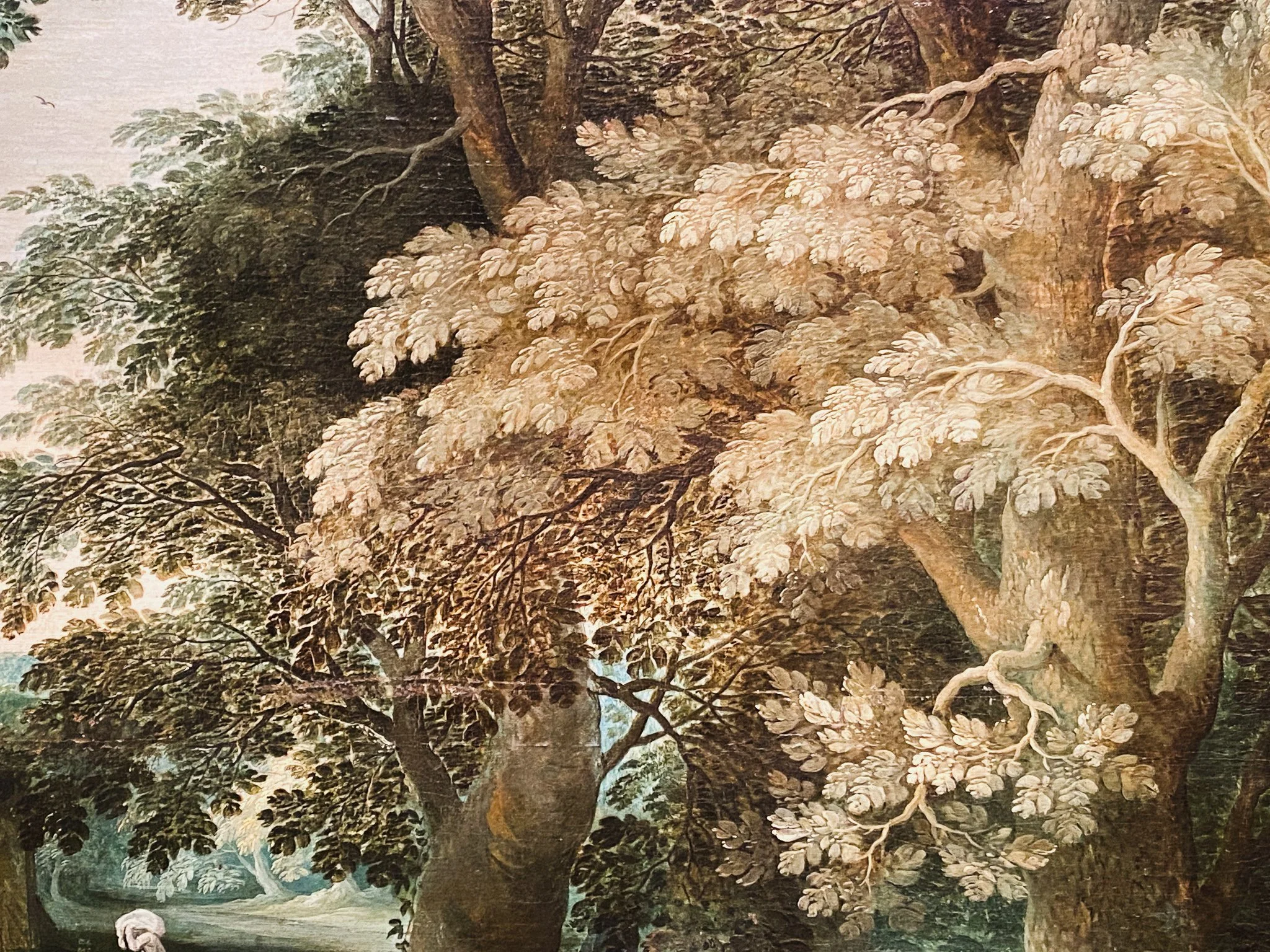
Speaking of touching the art, at the Rijksmuseum in Amsterdam a few years ago, I watched a family—a mother and two teenage daughters—taking selfies with the art. We'll, not with the art, but in front of it. Glamour shots of themselves posing with a crown of flowers exquisitely rendered in oil by some Dutch master. Priceless art reduced to little more than wallpaper. In an attempt to get the perfect shot, one of the teens backed into a canvas, hitting it with her (unchecked) backpack. I was horrified. They heard me gasp. They looked chagrined but it didn't stop them taking more shots for the ‘gram.
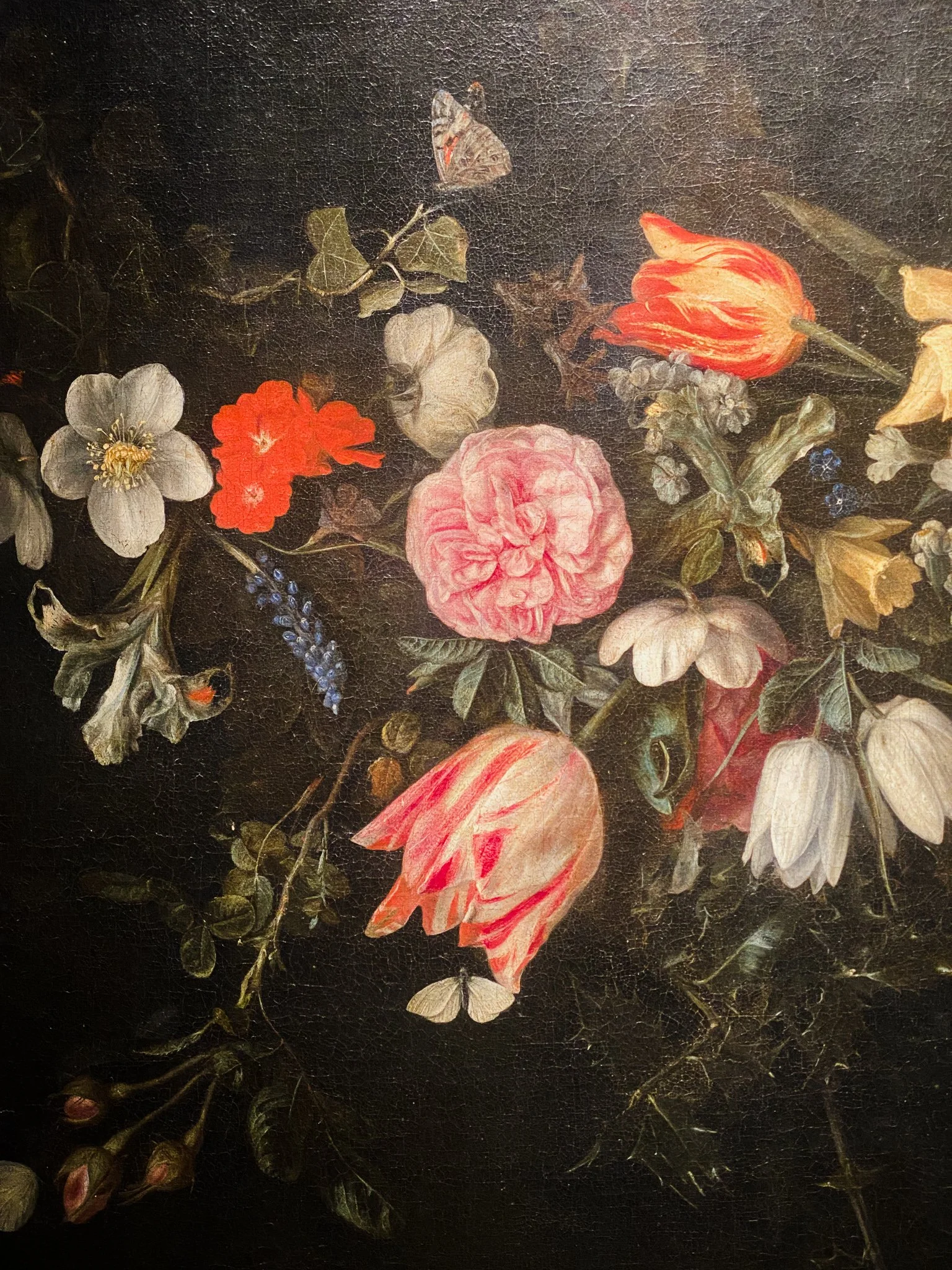
Detail of Garland of Flowers by Jan Philip van Thielen

Detail of Garland of Flowers by Jan Philip van Thielen

This morning at breakfast I spoke with a man who said he won't be going to any art museums in Buenos Aires because he doesn’t like art. That’s a lens too. I wonder if he means he doesn’t like art with a capital A, art that takes context and possibly a bit of pretension to parse. Would he like the art I like? The seventeenth, eighteenth, and nineteenth century stuff, the beauty and craftsmanship? Maybe he'd find the portraits stuffy and the pastoral scenes banal. We'll never know. He’ll take his pics at the Railway Museum instead.
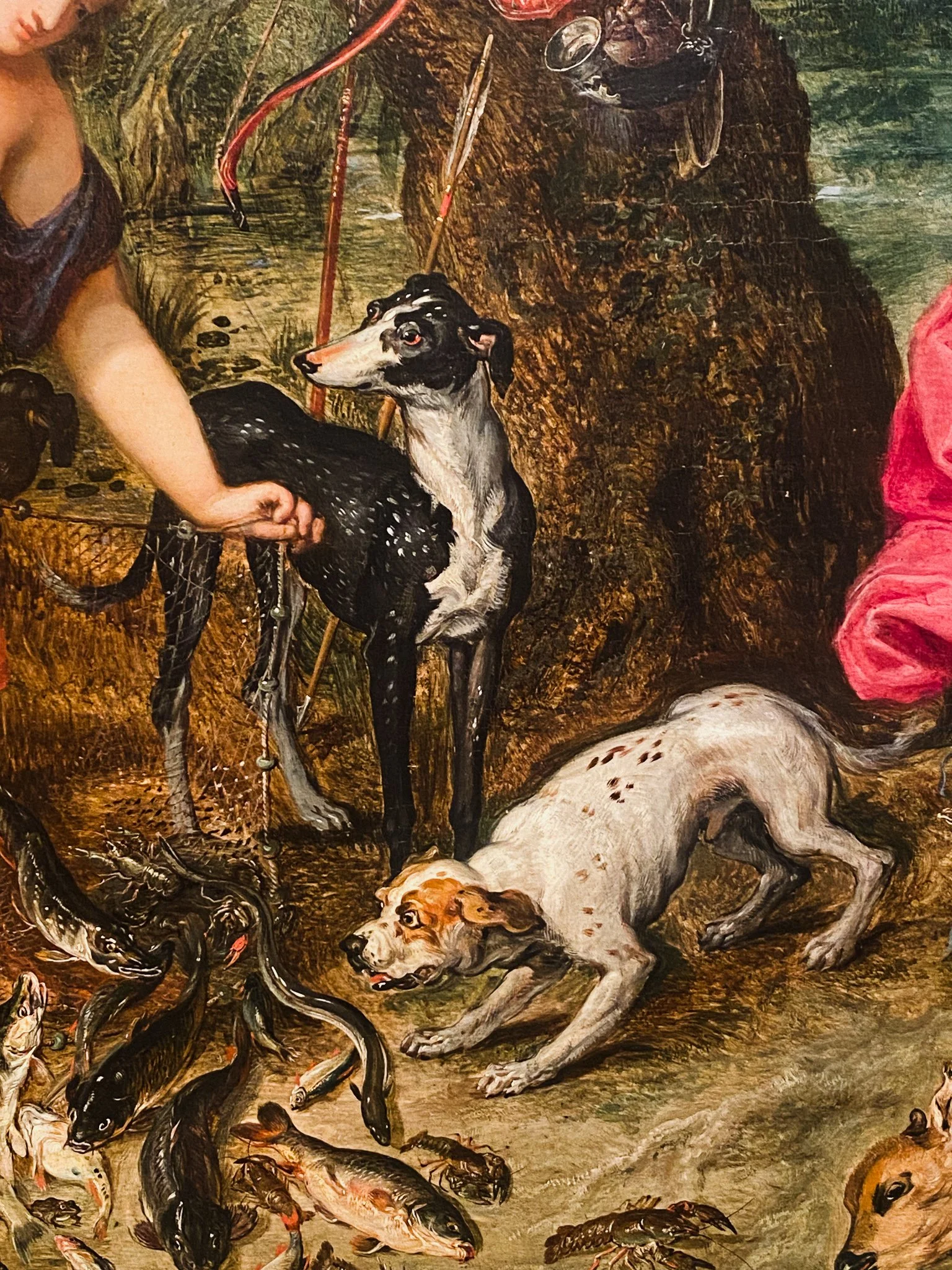
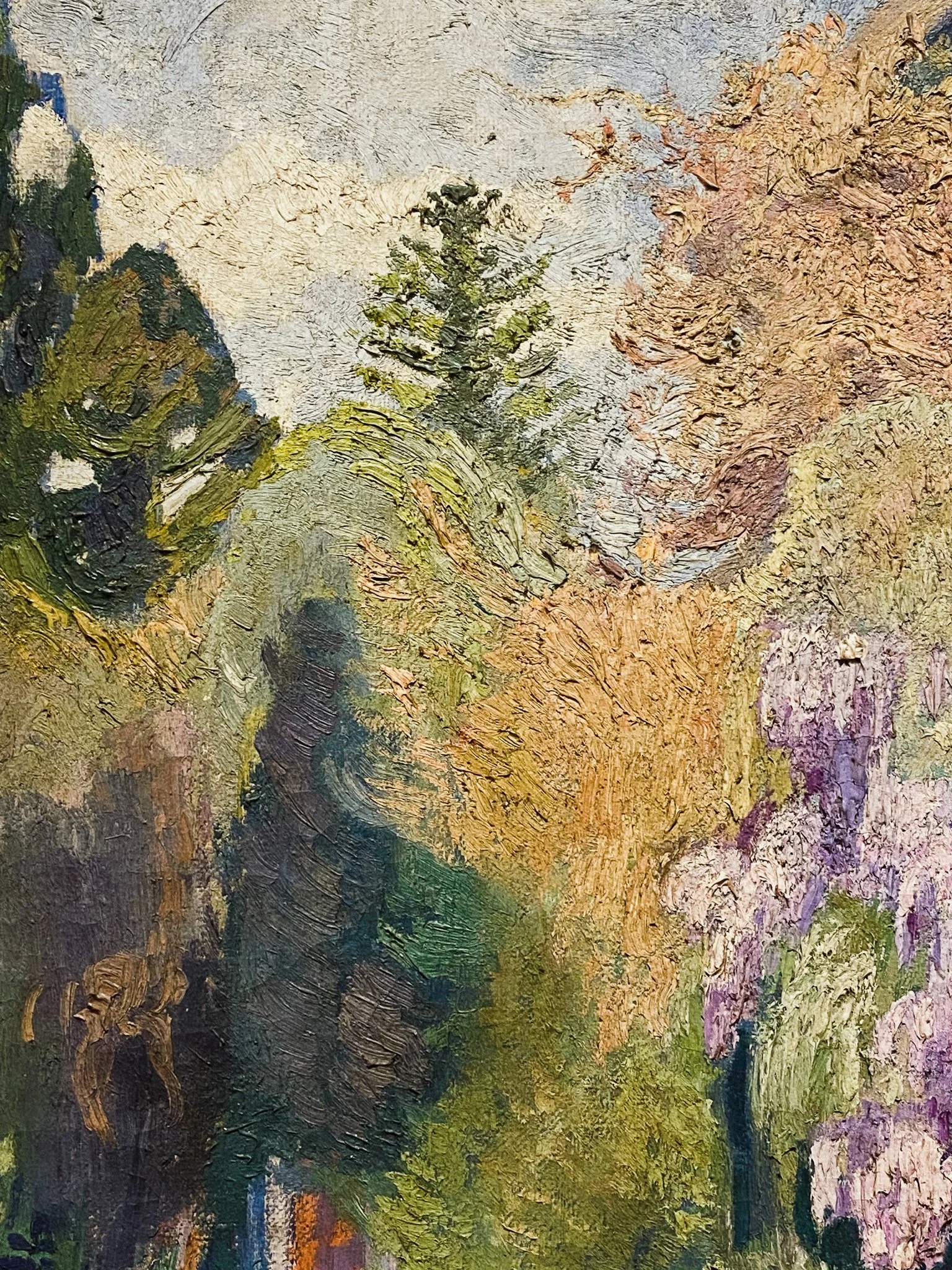
What I Look For Now

I'm in the hotel looking through photos from the museums we've visited in Montevideo and Buenos Aires. We're in South America while my husband attends a work conference, and I've been spending days wandering through galleries—four museums so far.

I keep returning to the same periods. Seventeenth and nineteenth century work. The Dutch masters with their impossible observation. The Impressionists with their perfect reductive form. I could stand for hours looking at how they recreated the translucency in a halved orange, the sheen of silk embroidery against a velvet frock coat, light passing through trees to bounce off a stream and highlight a cart horse. Petals in mud. Wisps of clouds. Distant hills.

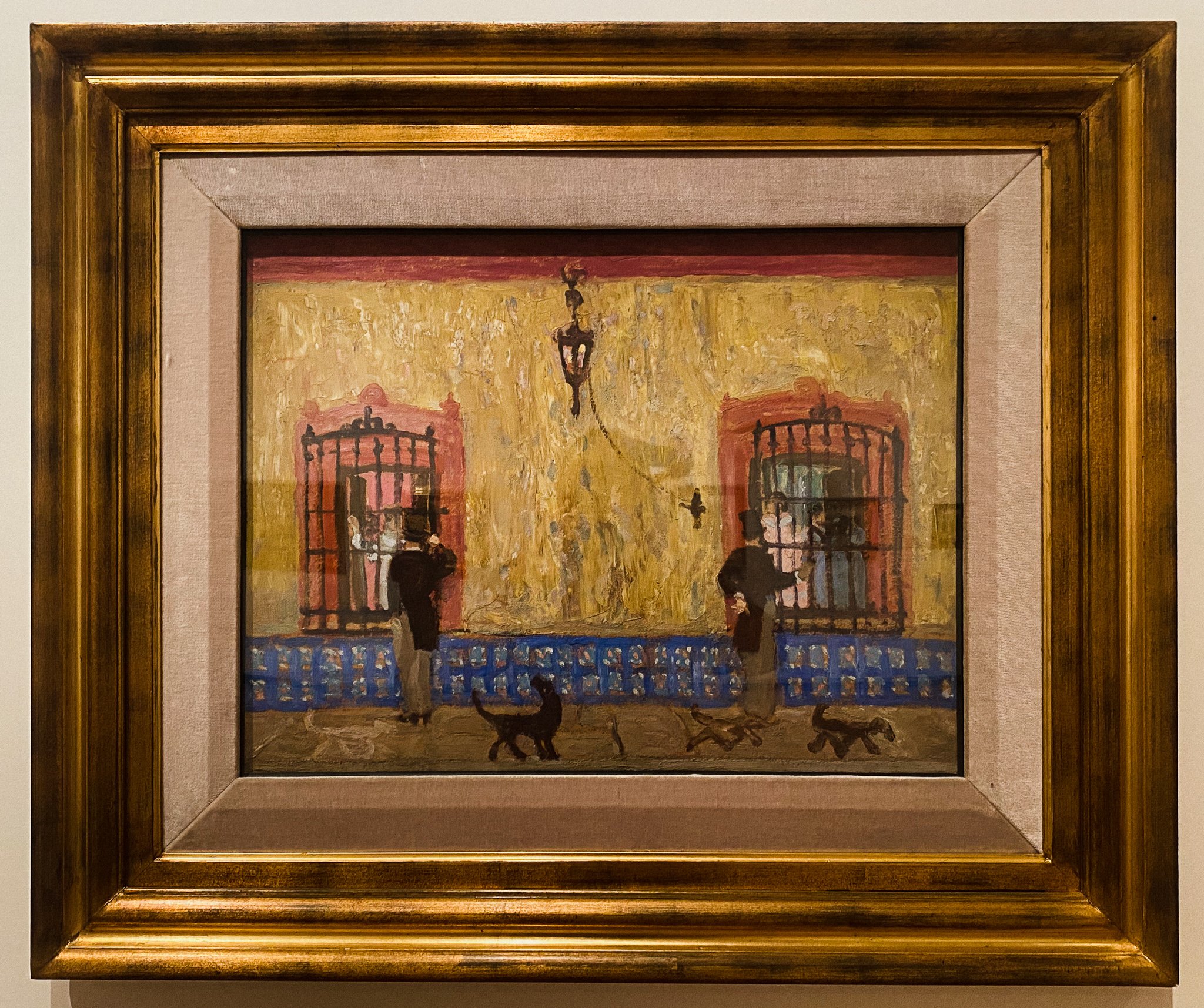
I see these things through an artist's eyes. I study them. I think about what it must have been like to recreate the image and how I can use that information. Sometimes I'll see a simpler, more modern painting and think—that's almost like a picture book illustration, how could I adapt that approach?

Pelando la pava by Pedro Figari

Pelando la pava by Pedro Figari

Which makes me wonder: do I appreciate these pieces for what they are, or do I just like what I can learn from them? Is there a difference? Does it matter?

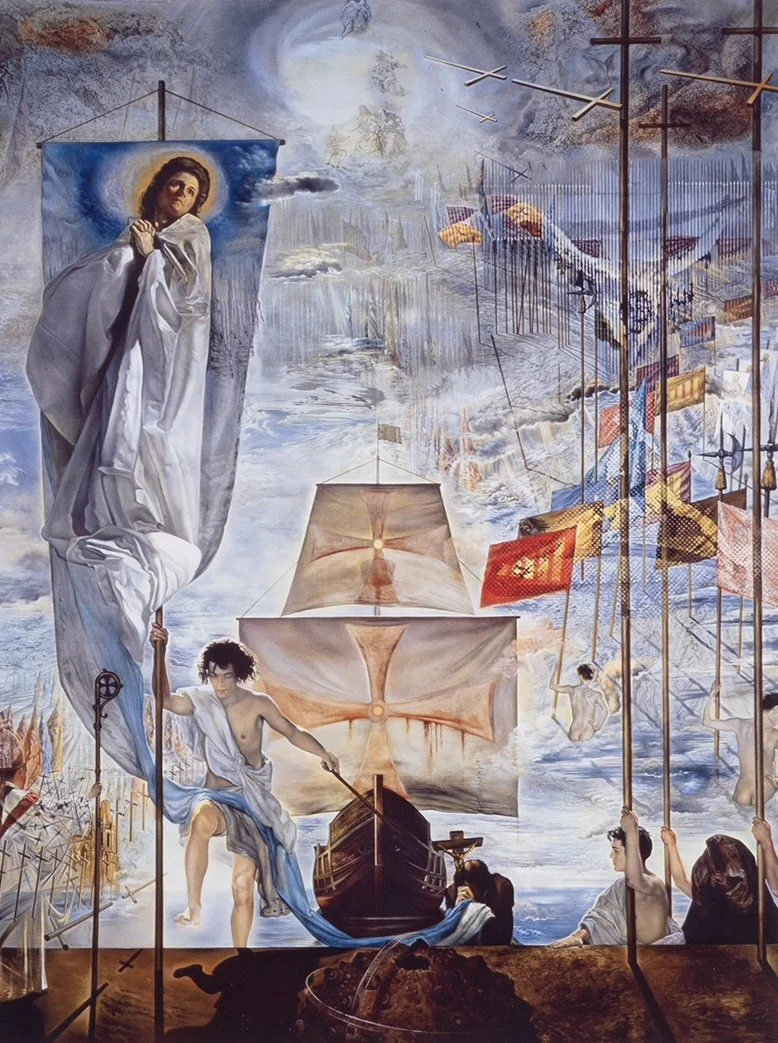
My taste has changed completely since high school. Back then I liked modern art—Warhol, Pollock, Lichtenstein. I think I was drawn to work that looked simple, easy to create. I was impatient and impulsive. Dalí was my first step toward appreciating real craftsmanship. I got to see his work at the Salvador Dalí Museum in Florida. I went for the melting clocks and stayed for "The Discovery of America by Christopher Columbus." The man could draw.

The Discovery of America by Christopher Columbus by Salvador Dali

The Discovery of America by Christopher Columbus by Salvador Dalí

I've been thinking about this in relation to my art. With illustration and licensing, I don't have much control over price—the market decides what a book should cost. With fine art, if a piece takes a hundred hours, I can price it accordingly. Theoretically. In practice, that means choosing between functional work priced for everyday use (books, cards, dishes) and art pieces priced for collectors. Functional has limits. Art doesn't, or at least less so.

Part of being an artist is navigating that tension—straddling the line between the time you want to spend on a piece and the time you can afford to spend on it. There's no one right path. Quick and affordable or slow and expensive. I think an artist can find success in either.

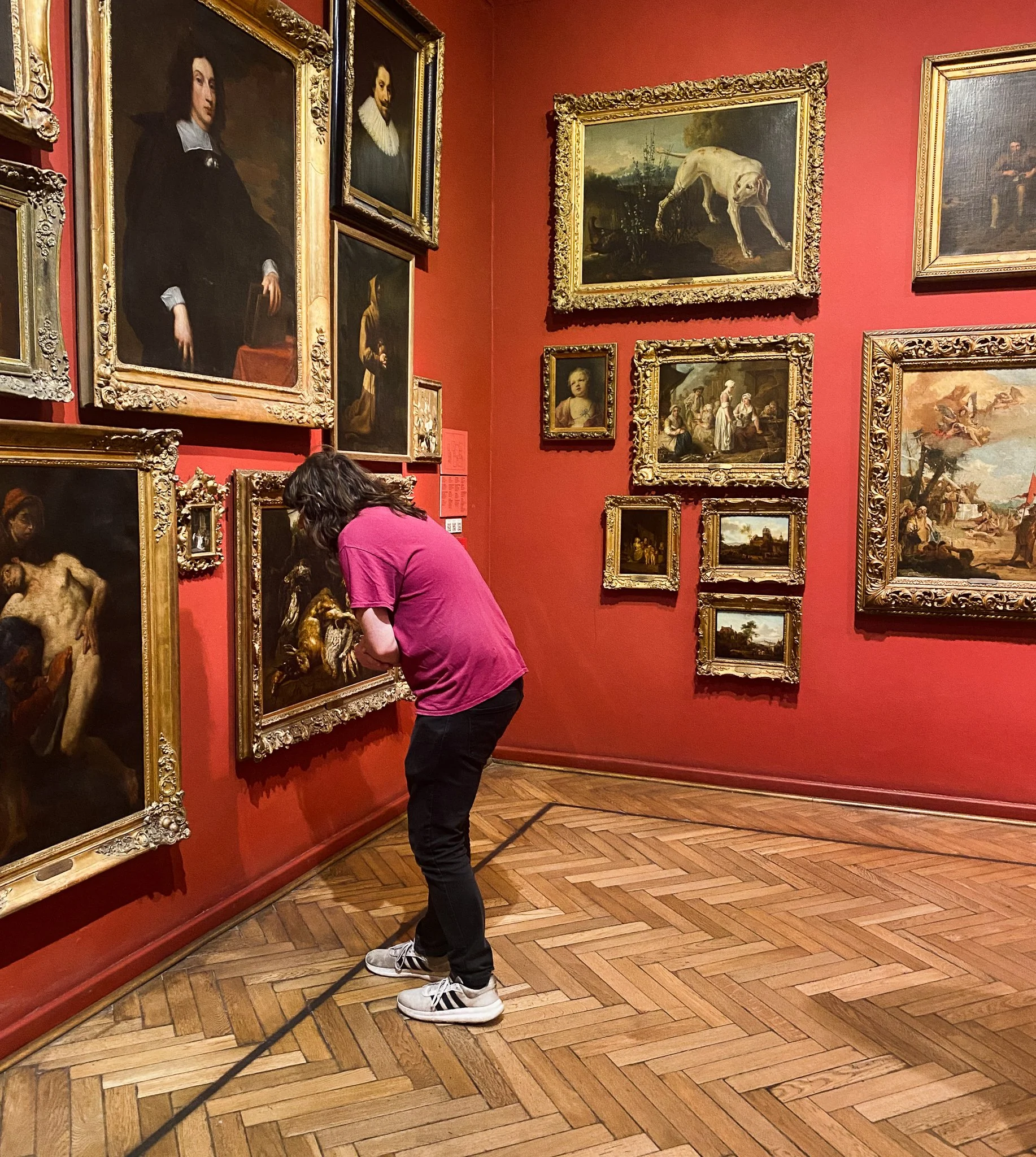
I wonder how many hours went into these pieces I admire.

Photo of a room at the Museo Nacional de Bellas Artes

Museo Nacional de Bellas Artes

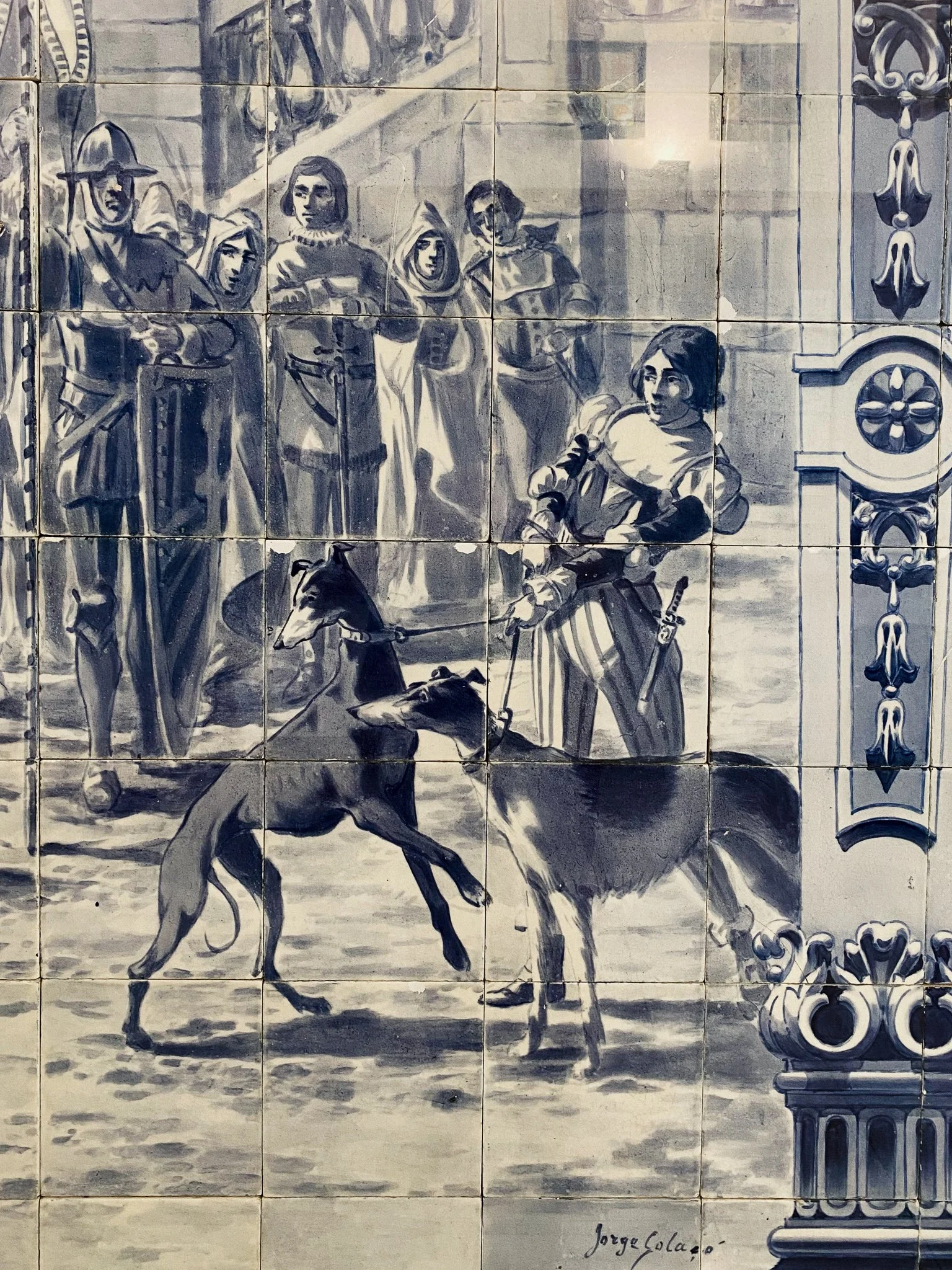
I'm drawn to the slow path, toward craftsmanship that takes time. I'll experiment with techniques to speed up the process, but I don't think I'll ever abandon the detail I love. All these details I get lost in. Maybe someday someone will get lost in my work the same way.

Detail of a tile mural by Jorge Colaço

Detail of a tile mural by Jorge Colaço

I've been stressing about sixteen-hour vases that need to cost what they cost. But at least the choice exists.