
What I Look For Now
I'm in the hotel looking through photos from the museums we've visited in Montevideo and Buenos Aires. We're in South America while my husband attends a work conference, and I've been spending days wandering through galleries—four museums so far.
I keep returning to the same periods. Seventeenth and nineteenth century work. The Dutch masters with their impossible observation. The Impressionists with their perfect reductive form. I could stand for hours looking at how they recreated the translucency in a halved orange, the sheen of silk embroidery against a velvet frock coat, light passing through trees to bounce off a stream and highlight a cart horse. Petals in mud. Wisps of clouds. Distant hills.
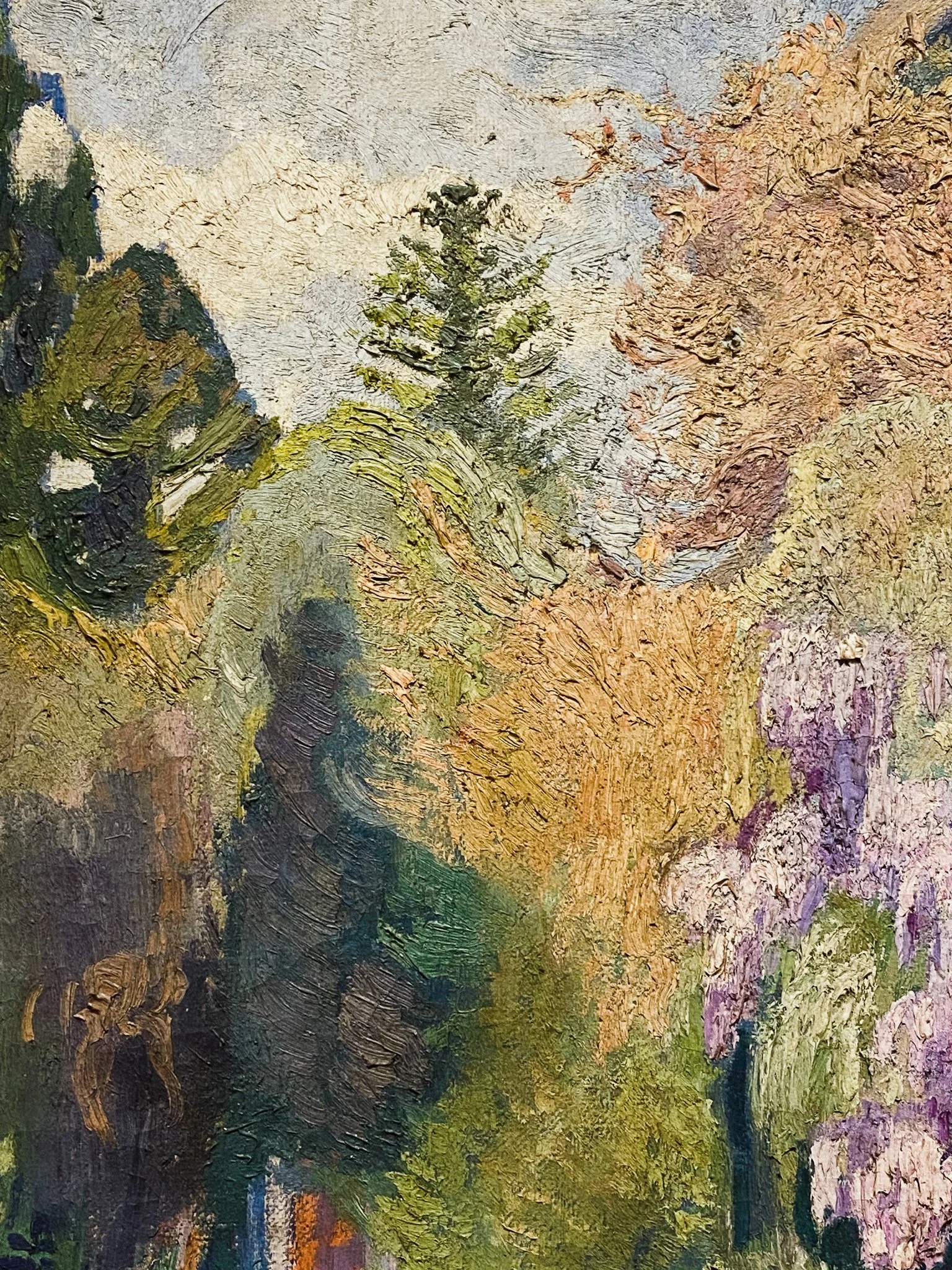

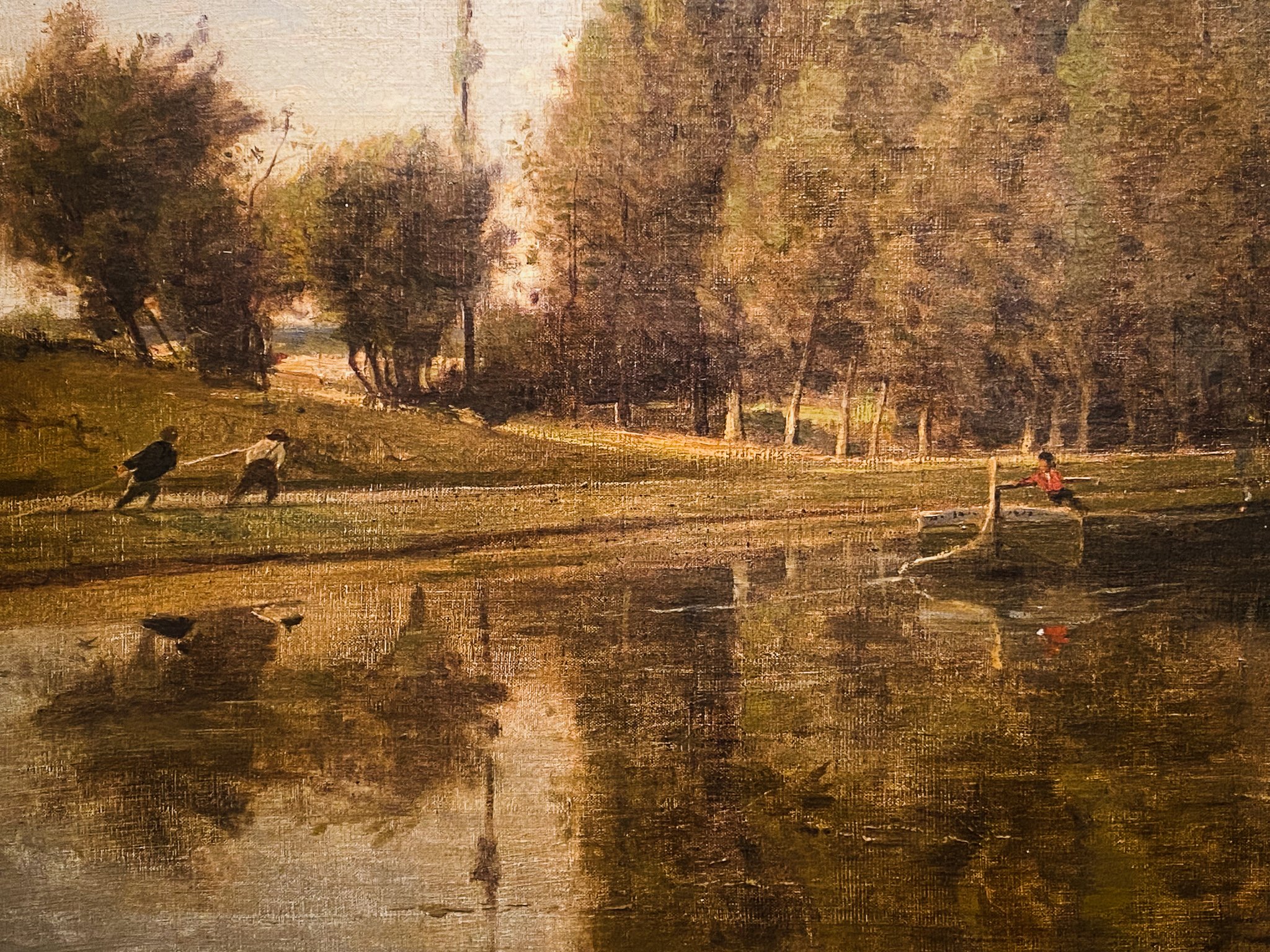
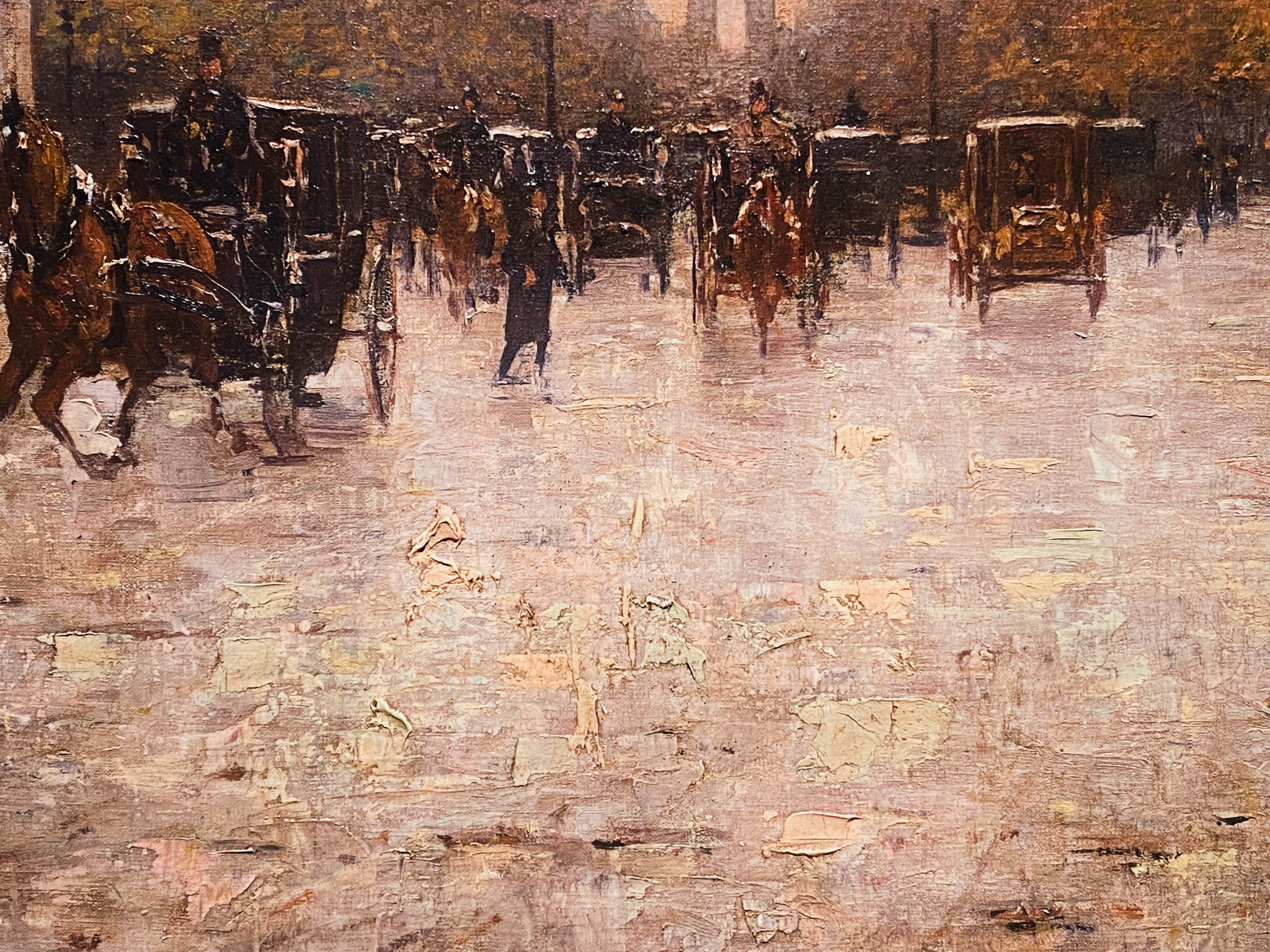
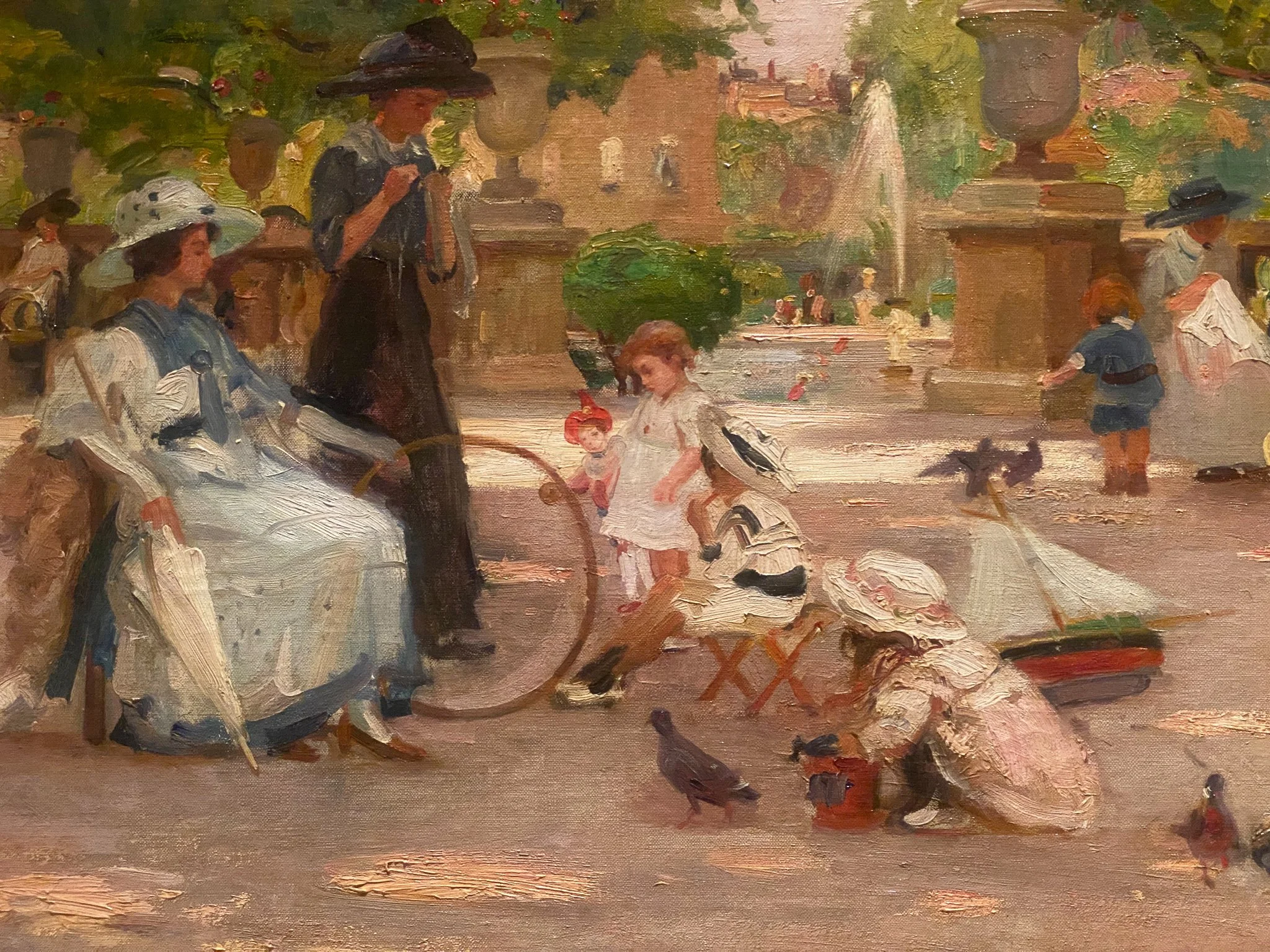
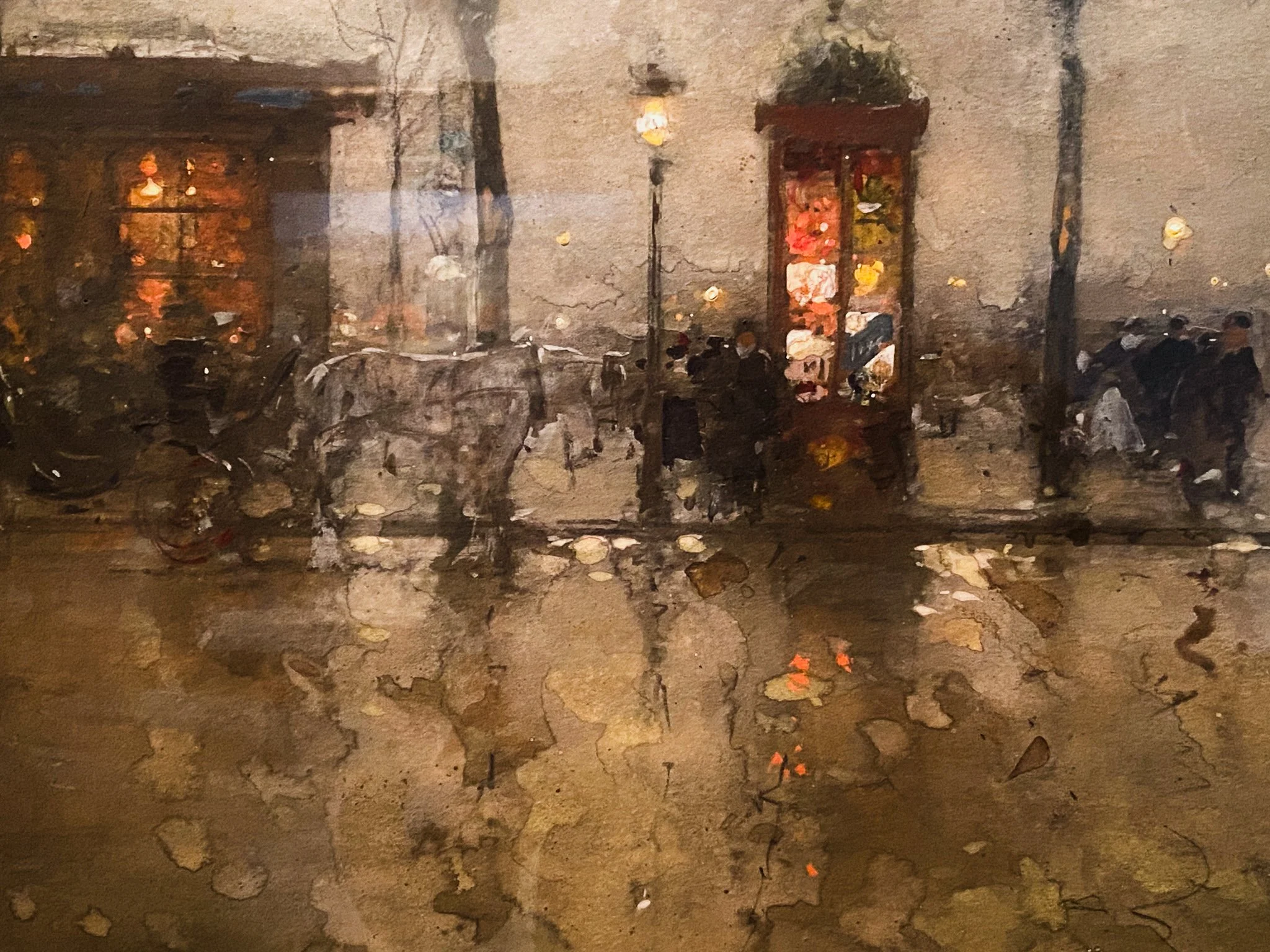
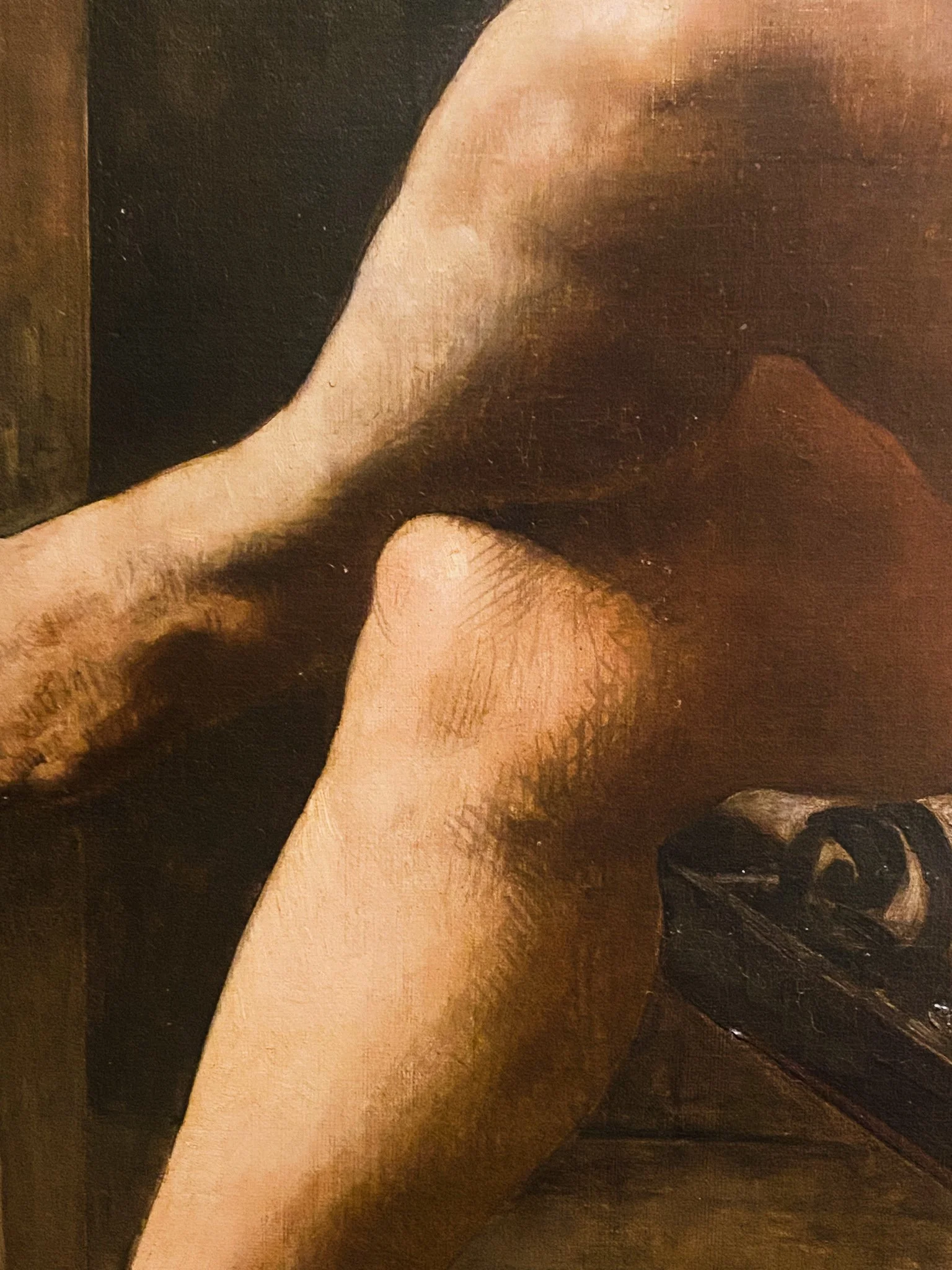
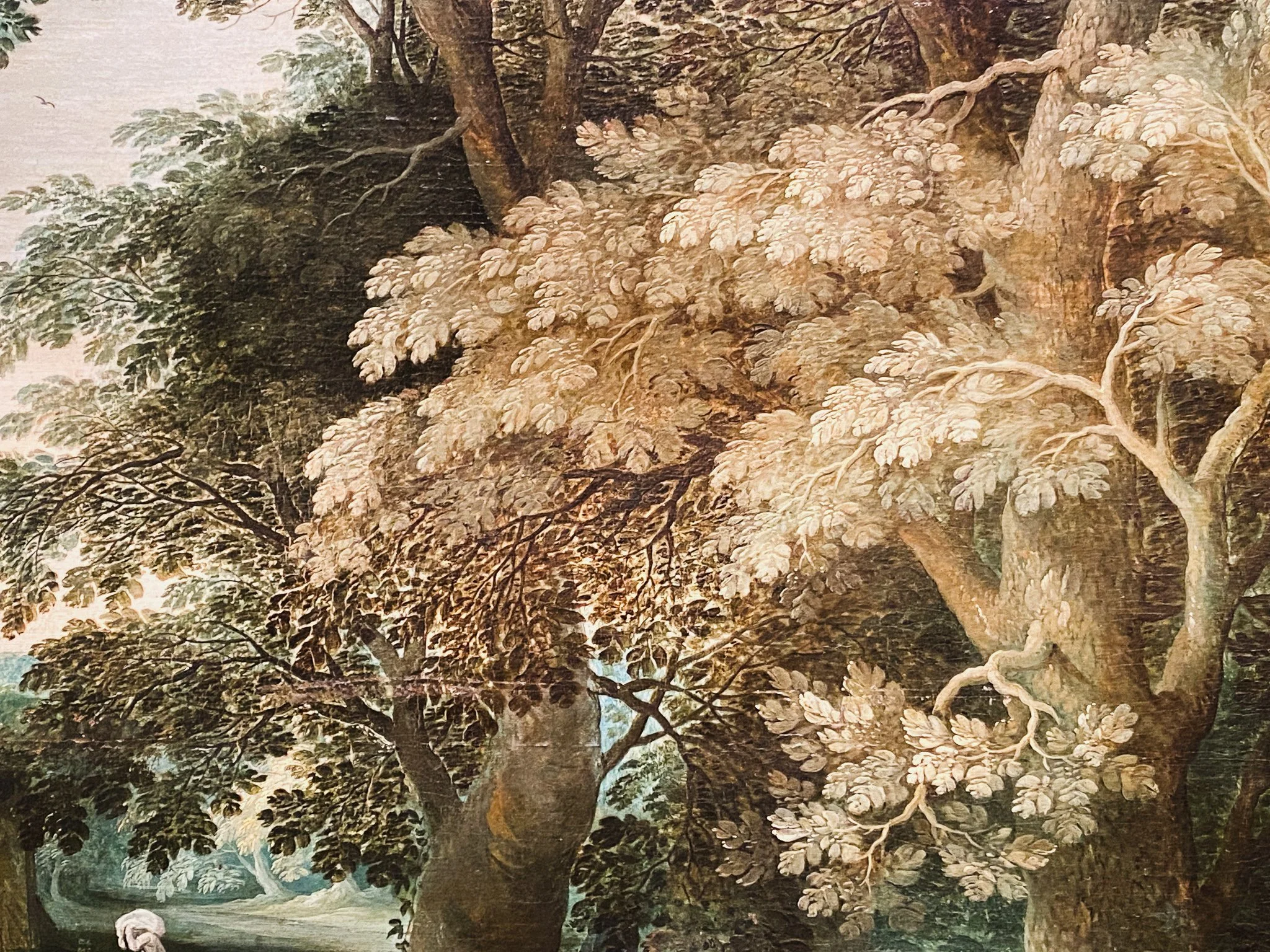
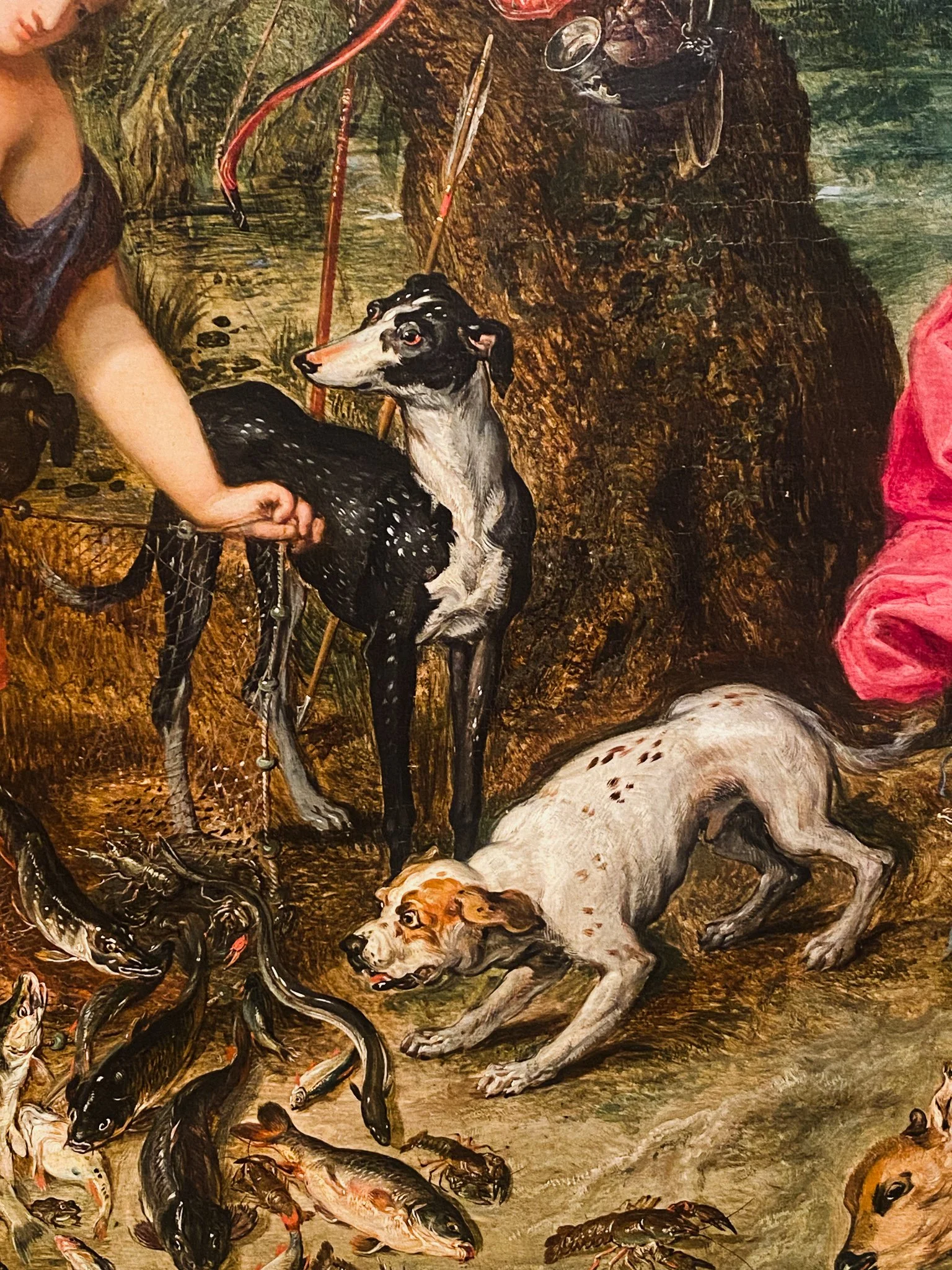
I see these things through an artist's eyes. I study them. I think about what it must have been like to recreate the image and how I can use that information. Sometimes I'll see a simpler, more modern painting and think—that's almost like a picture book illustration, how could I adapt that approach?
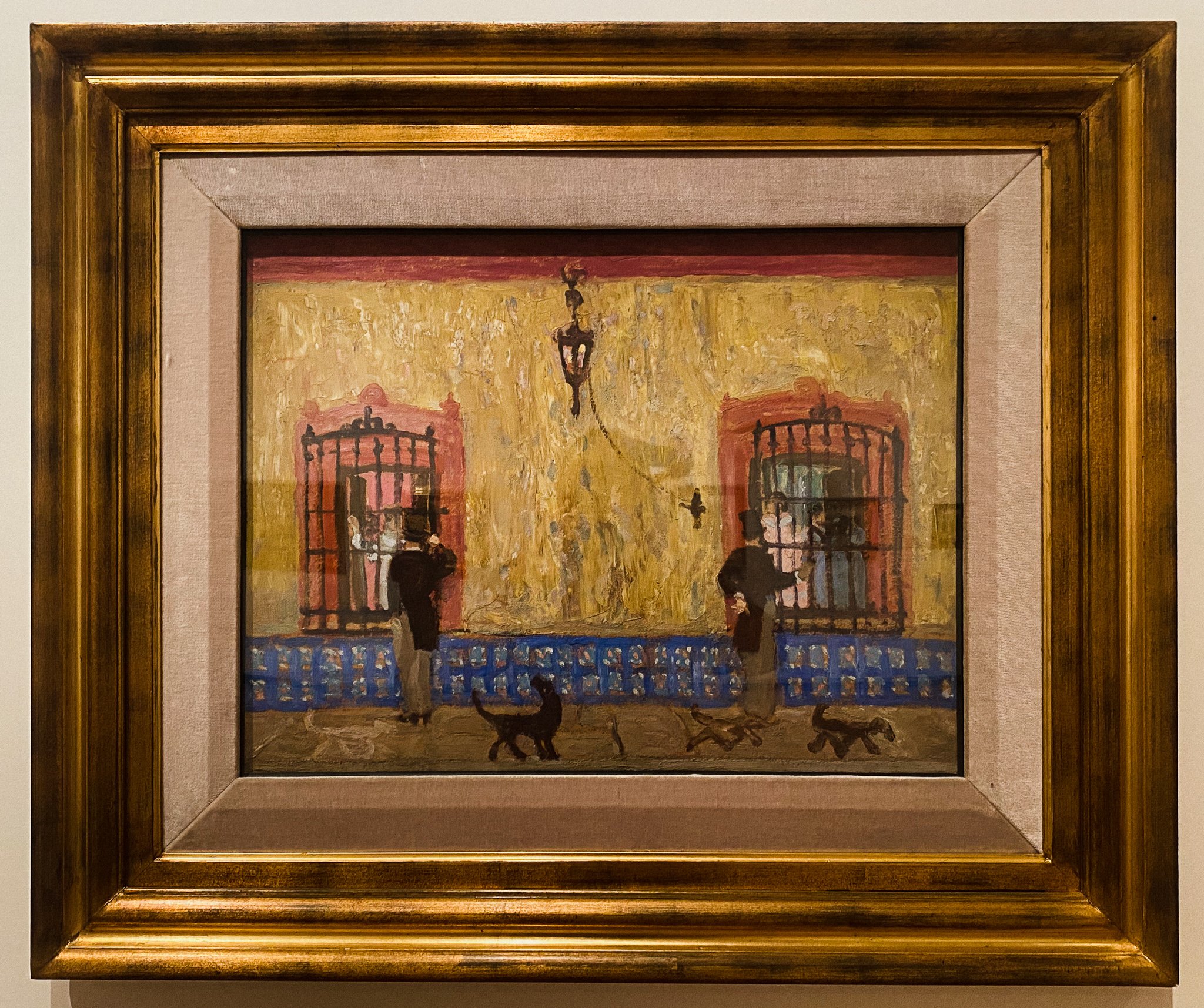
Pelando la pava by Pedro Figari
Which makes me wonder: do I appreciate these pieces for what they are, or do I just like what I can learn from them? Is there a difference? Does it matter?
My taste has changed completely since high school. Back then I liked modern art—Warhol, Pollock, Lichtenstein. I think I was drawn to work that looked simple, easy to create. I was impatient and impulsive. Dalí was my first step toward appreciating real craftsmanship. I got to see his work at the Salvador Dalí Museum in Florida. I went for the melting clocks and stayed for "The Discovery of America by Christopher Columbus." The man could draw.
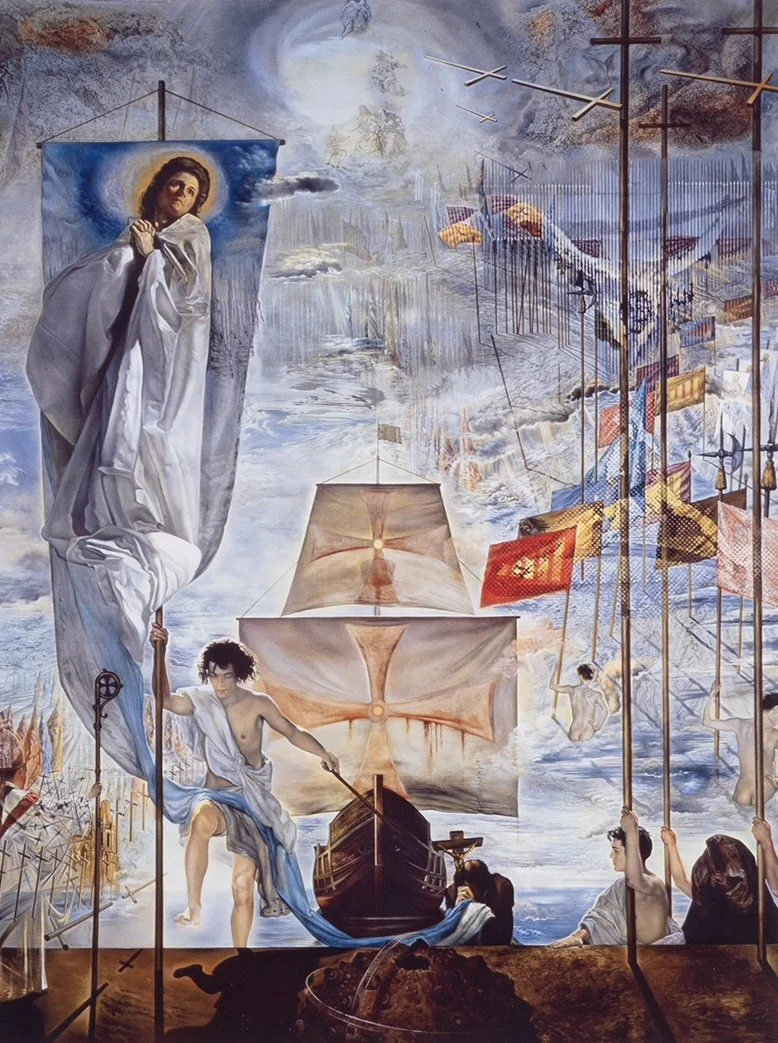
The Discovery of America by Christopher Columbus by Salvador Dalí
I've been thinking about this in relation to my art. With illustration and licensing, I don't have much control over price—the market decides what a book should cost. With fine art, if a piece takes a hundred hours, I can price it accordingly. Theoretically. In practice, that means choosing between functional work priced for everyday use (books, cards, dishes) and art pieces priced for collectors. Functional has limits. Art doesn't, or at least less so.
Part of being an artist is navigating that tension—straddling the line between the time you want to spend on a piece and the time you can afford to spend on it. There's no one right path. Quick and affordable or slow and expensive. I think an artist can find success in either.
I wonder how many hours went into these pieces I admire.
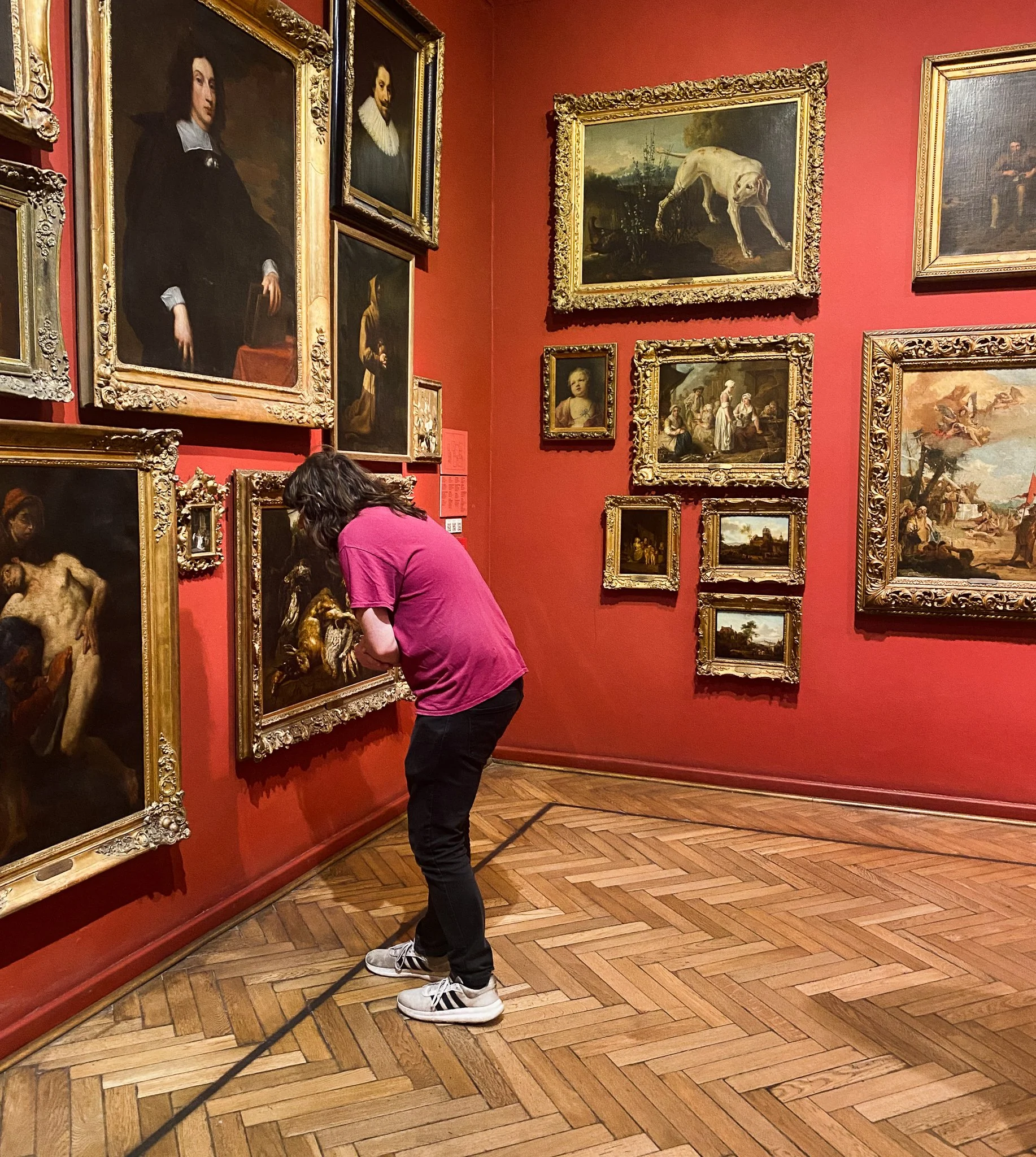
Museo Nacional de Bellas Artes
I'm drawn to the slow path, toward craftsmanship that takes time. I'll experiment with techniques to speed up the process, but I don't think I'll ever abandon the detail I love. All these details I get lost in. Maybe someday someone will get lost in my work the same way.
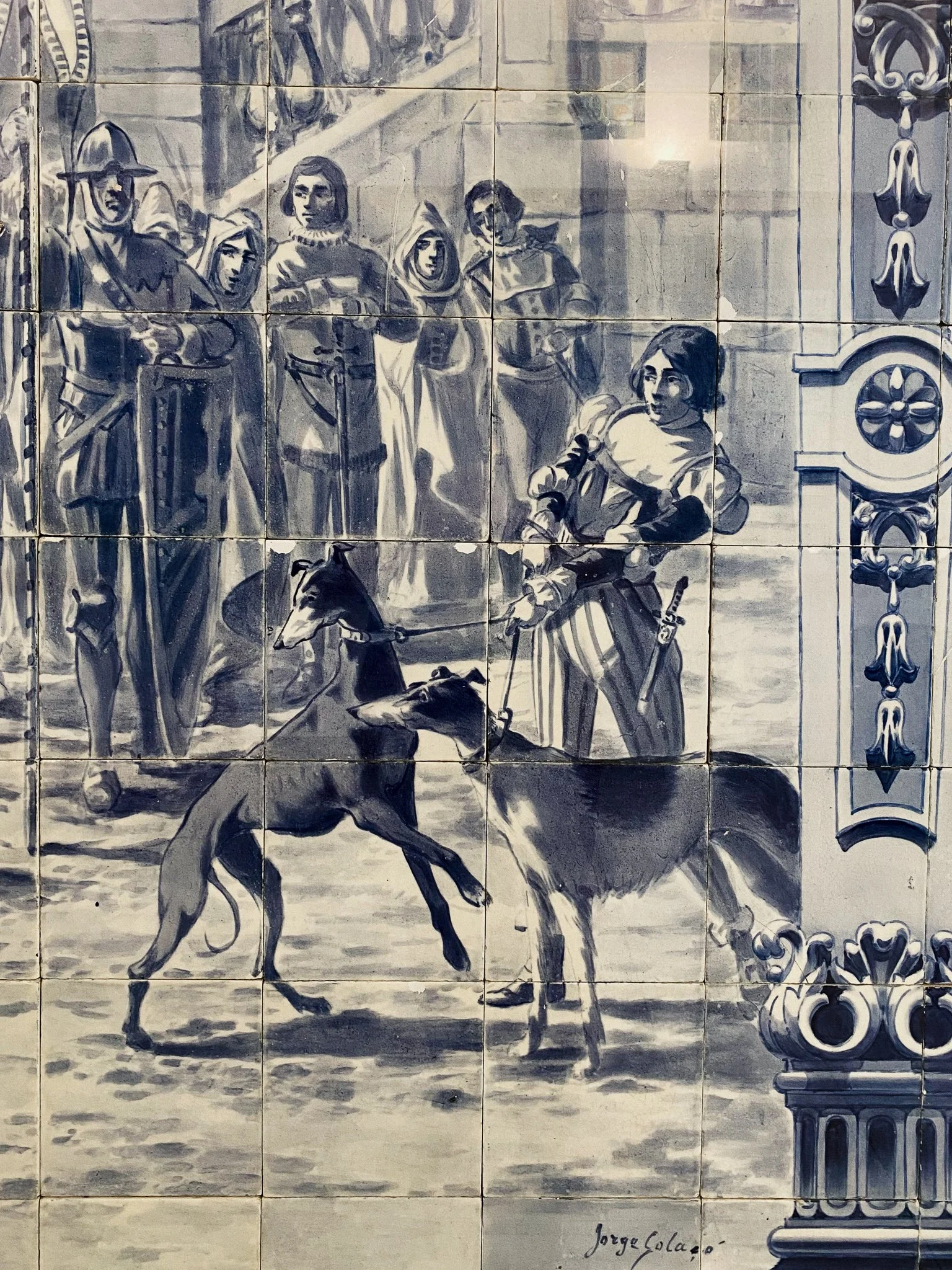
Detail of a tile mural by Jorge Colaço
I've been stressing about sixteen-hour vases that need to cost what they cost. But at least the choice exists.